No group of mammals has been more misunderstood, needlessly feared, or intensely persecuted than bats. Relying on a powerful combination of science, field knowledge, and photography, MTBC is helping save millions of bats, protecting public health, economies and worldwide ecosystems by teaching people to live harmoniously with bats through Merlin’s one-of-a-kind experience.
Our mission: inspiring bat conservation worldwide.
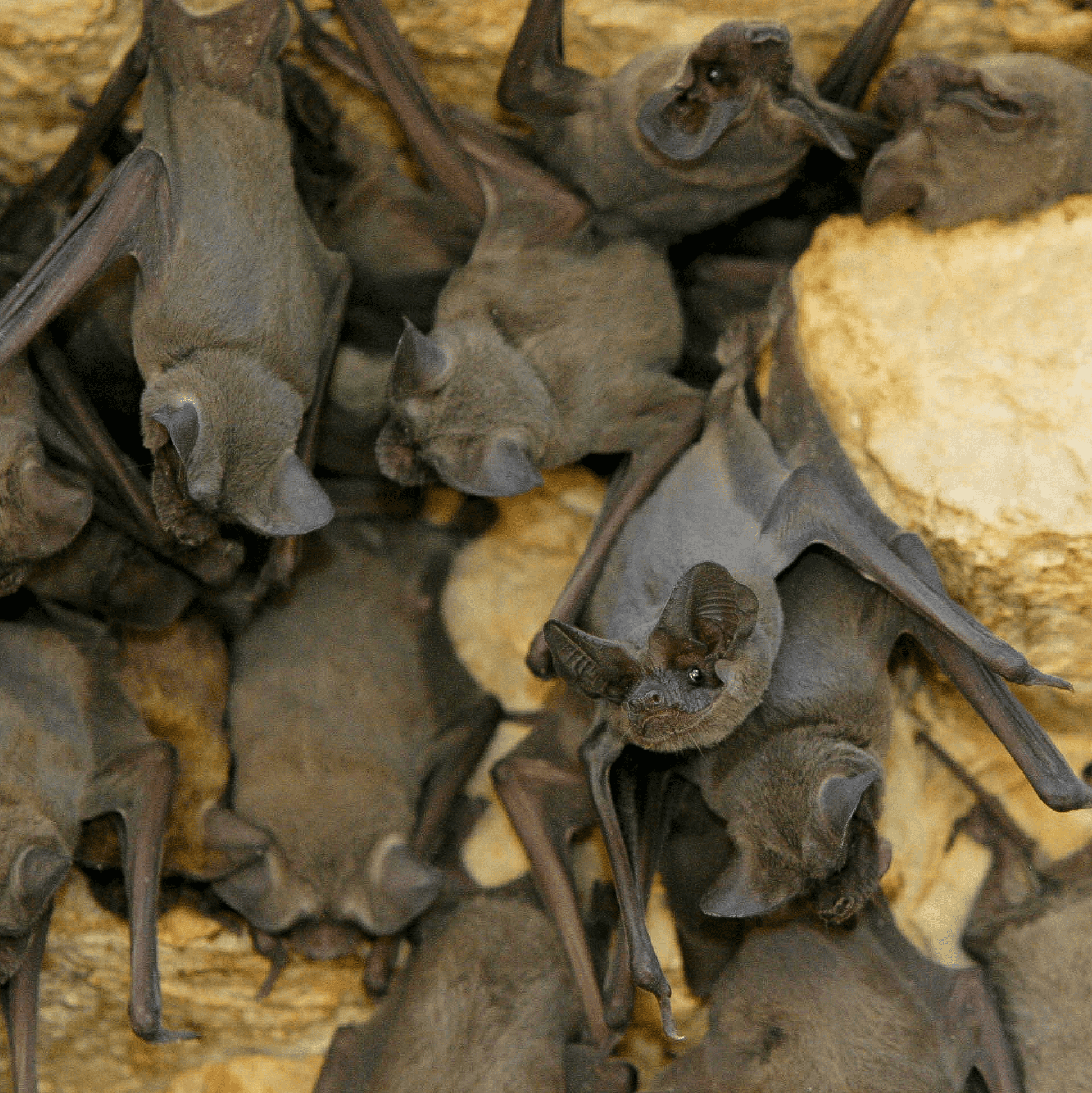
Bats comprise one-fifth of the world’s mammal species and are globally essential to environmental health. Nevertheless, they are in alarming decline. In the U.S. and Canada, millions are dying from an introduced fungus. And millions more die annually in the U.S. alone from careless use of wind turbines. Worldwide, countless bats are lost due to cave disturbance and destruction, and some have even become extinct due to overharvesting. Like all life on earth, bats are increasingly threatened by habitat loss and climate change. However, unlike most animals, they are easily misunderstood and victimized by exaggerated disease speculation, leading to deliberate eradication campaigns with disastrous consequences. Because most bats rear just one pup per year and live in large colonies, they are especially vulnerable to extinction.
Why We Must Act Now
Bats are the primary controllers of vast numbers of night-flying insects. Single colonies can consume tons of crop pests nightly, and they pollinate and carry seeds for many of our planet’s most important plants. If bat decline is not reversed, we could face dire consequences such as billions of dollars of agricultural and forestry losses in single countries, dramatically increased reliance on pesticides that can cause cancer and dementia, increased threats from mosquito-borne diseases such as West Nile and Malaria, and loss of billion-dollar-a-year crops for lack of bat pollinators.
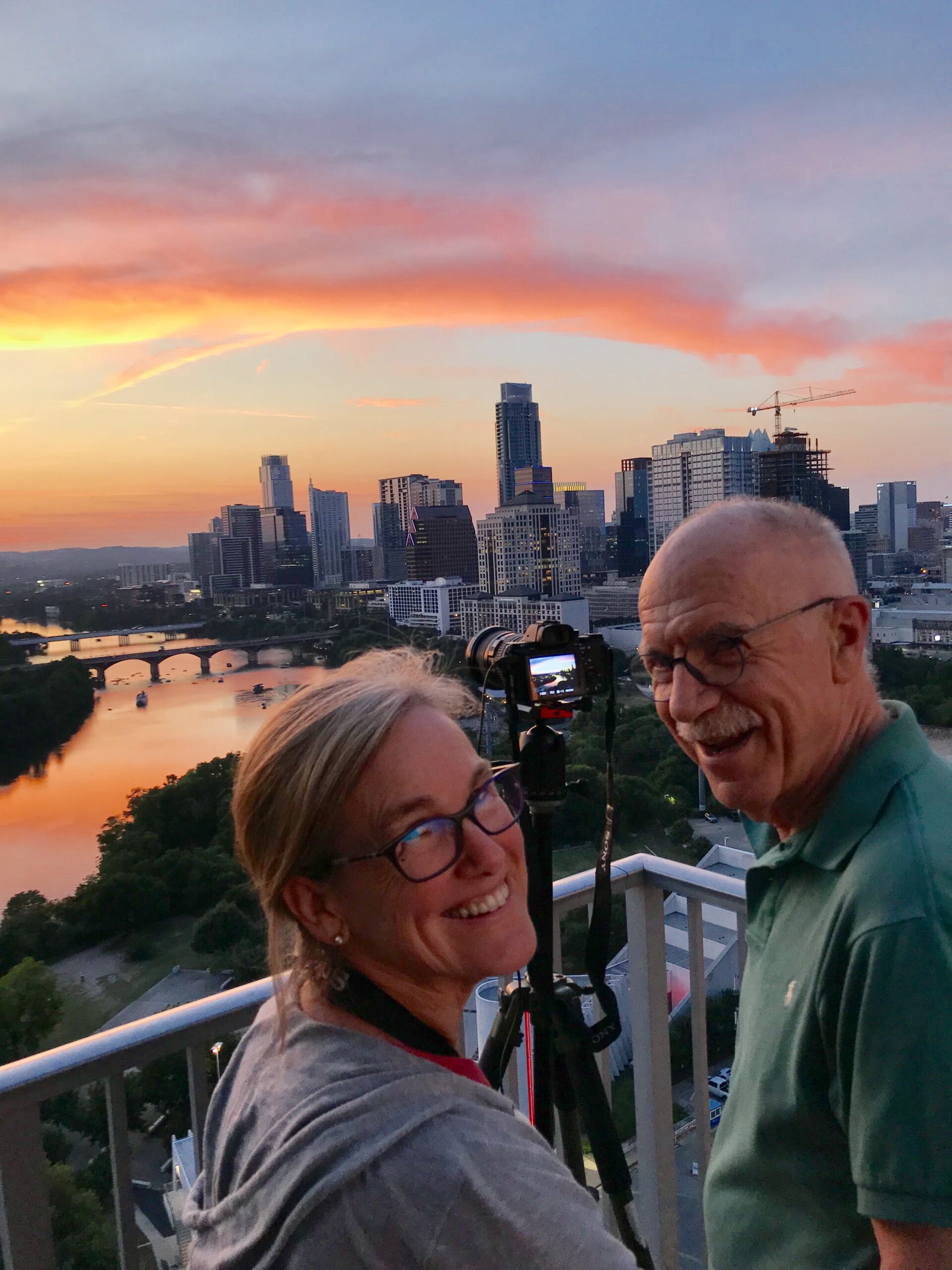
Merlin has repeatedly demonstrated the power of education. His successes on behalf of traditionally misunderstood and persecuted bats are unprecedented, providing a model of hope for the future. His work and legacy have never been more important. We provide clear, science-based explanations to dispel fear and help people benefit from conserving bats. Once people understand the value of bats, most voluntarily become enthusiastic protectors. When thousands of bats began moving into newly created crevices beneath the Congress Avenue Bridge in Austin, Texas, misinformed health officials warned they were mostly rabid and dangerous. Fearful citizens began signing petitions to have the bats eradicated. But when Merlin put fears in perspective and explained bat values, the bats were protected. Today, 1.5 million are enthusiastically welcomed. They attract millions of tourist dollars each summer, consume tons of insect pests nightly, and have harmed no one. Austin is now proud of its bat-friendly fame.
Team
Merlin D. Tuttle
FOUNDER AND EXECUTIVE DIRECTOR
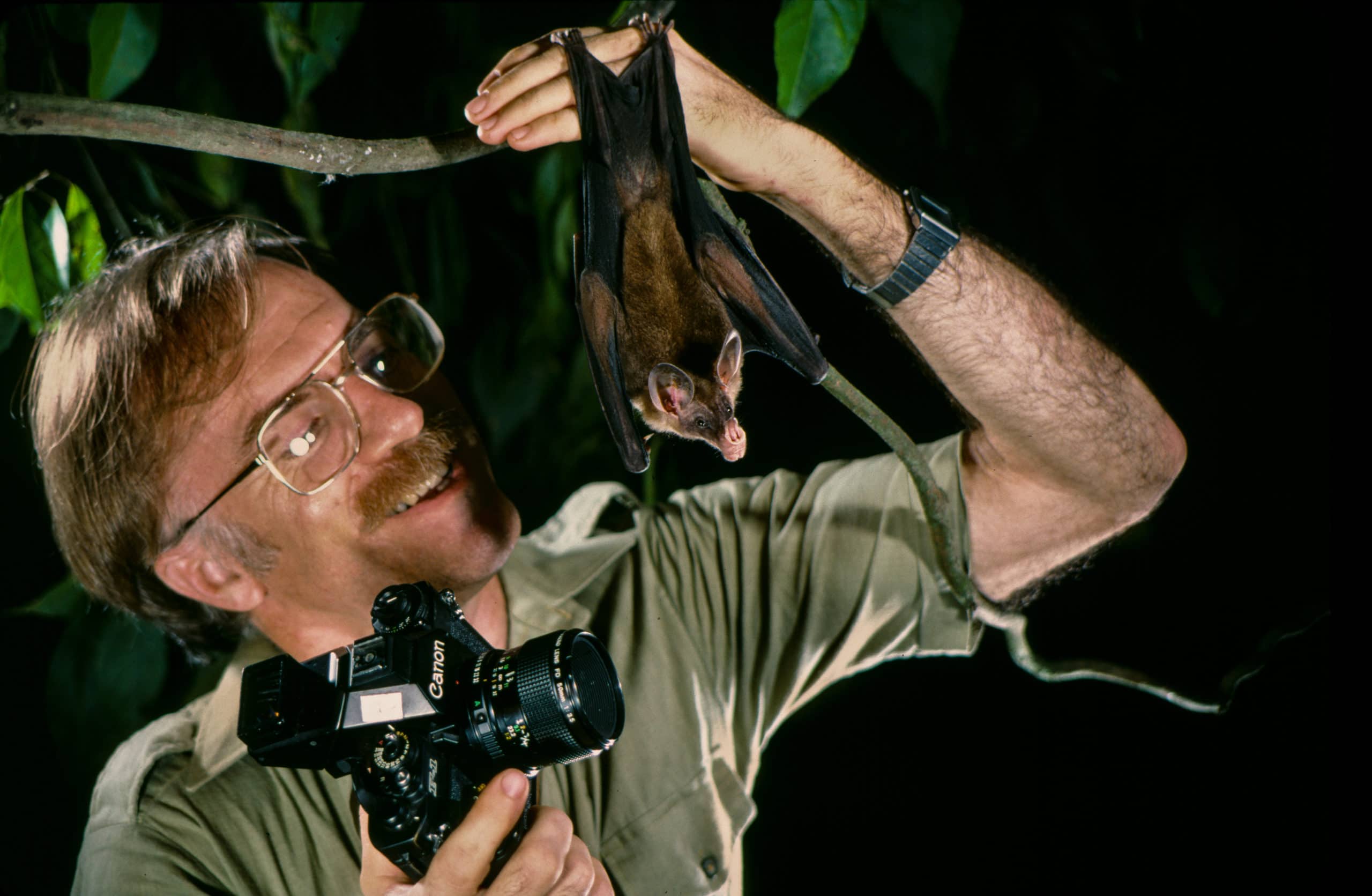
Merlin started his bat career as a teenager and has been a key force in changing the way the world perceives bats. He has studied and photographed hundreds of species of bats on every continent where they live. He founded and led Bat Conservation International for nearly 30 years, left in 2009, and founded Merlin Tuttle’s Bat Conservation in 2014, with his wife, Paula Tuttle.
Merlin is comfortable crawling deep into caves, lugging equipment through tropical jungles, or standing on a stage introducing the world to the Secret Lives of Bats.
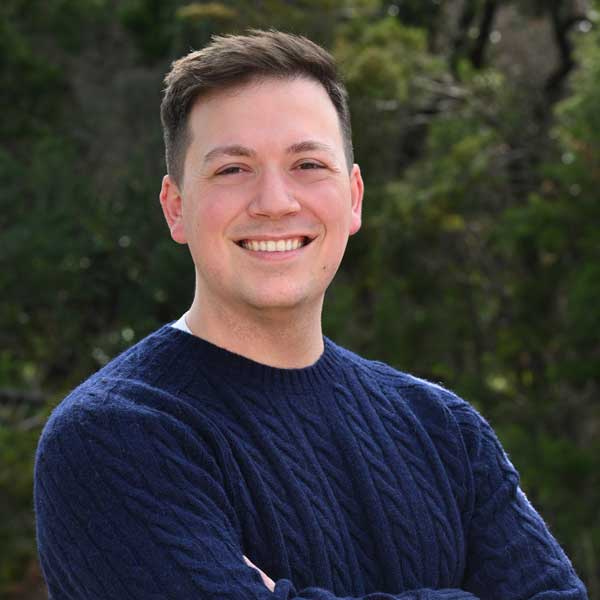
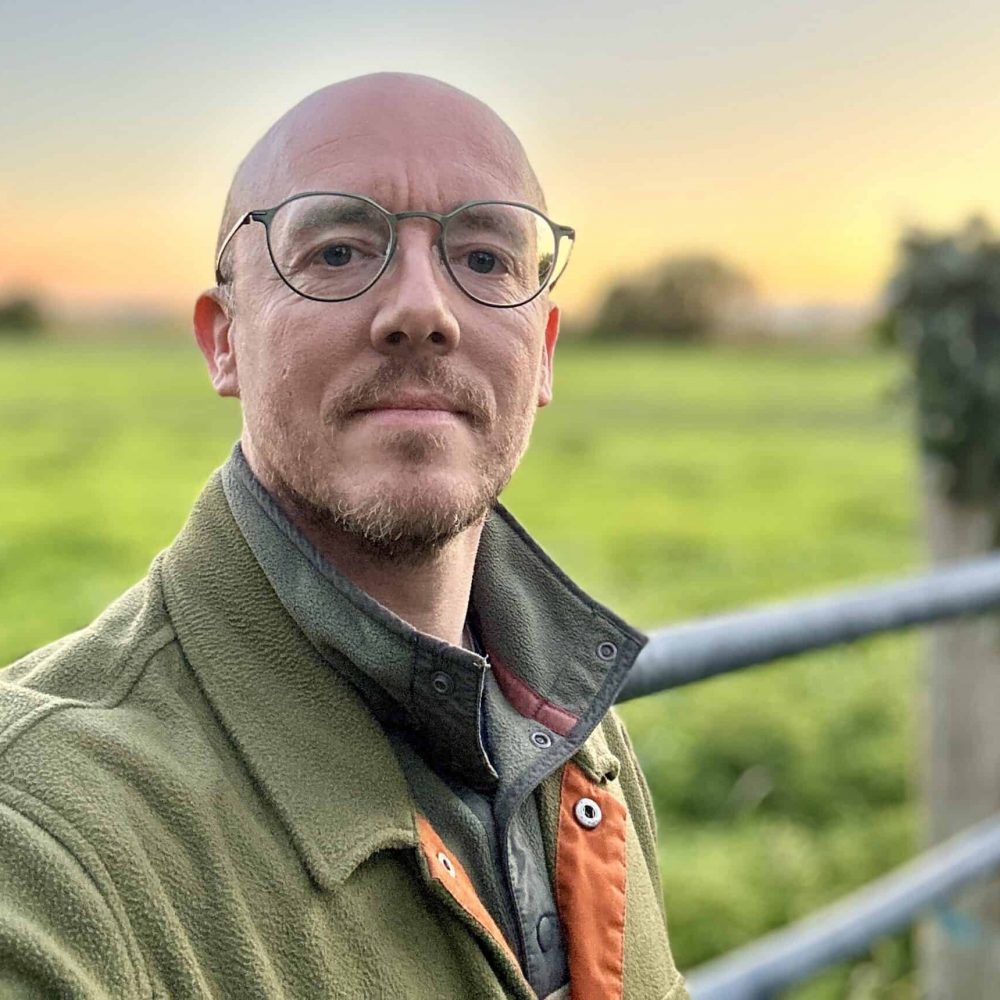
Duncan manages MTBC’s projects and resources. He also helps guide the team through long-term strategies. He enjoys reading, listening to and playing music, and watching motorsports.
Danielle A. Cordani
CONSERVATION PROGRAM COORDINATOR
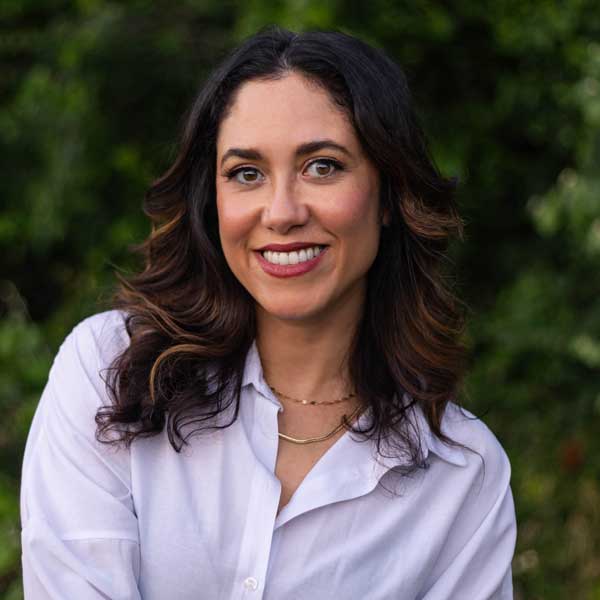
Danielle is a bat biologist who enjoys addressing conservation issues and generating excitement about protecting bats. She develops and coordinates MTBC’s conservation programs, field activities, and workshops.
David Shuler
ARCHIVE COORDINATOR
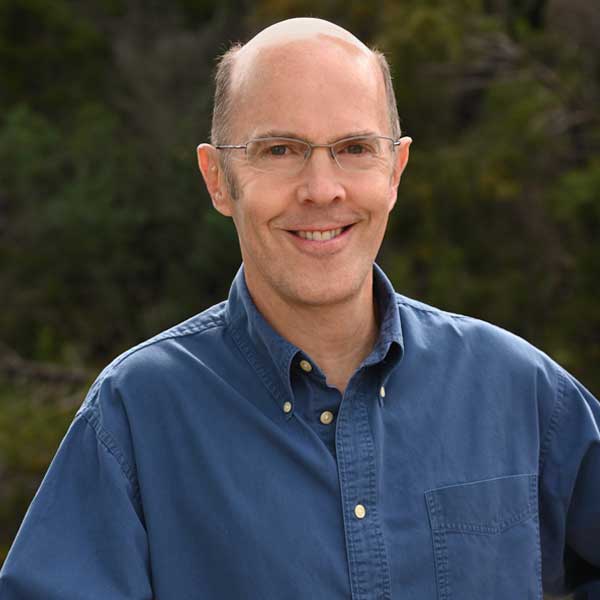
David is MTBC’s photo archivist. He also provides logistical and technical support. He enjoys computer engineering, photography, playing soccer, hiking, and other outdoor activities.
Katie Netherton
COMMUNICATIONS COORDINATOR
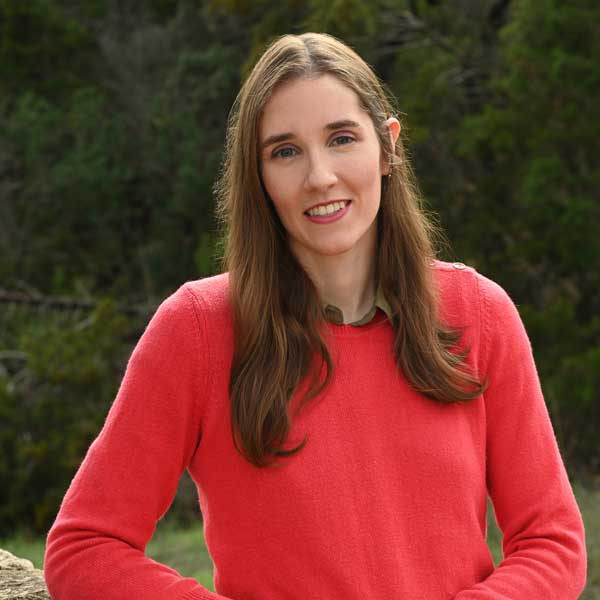
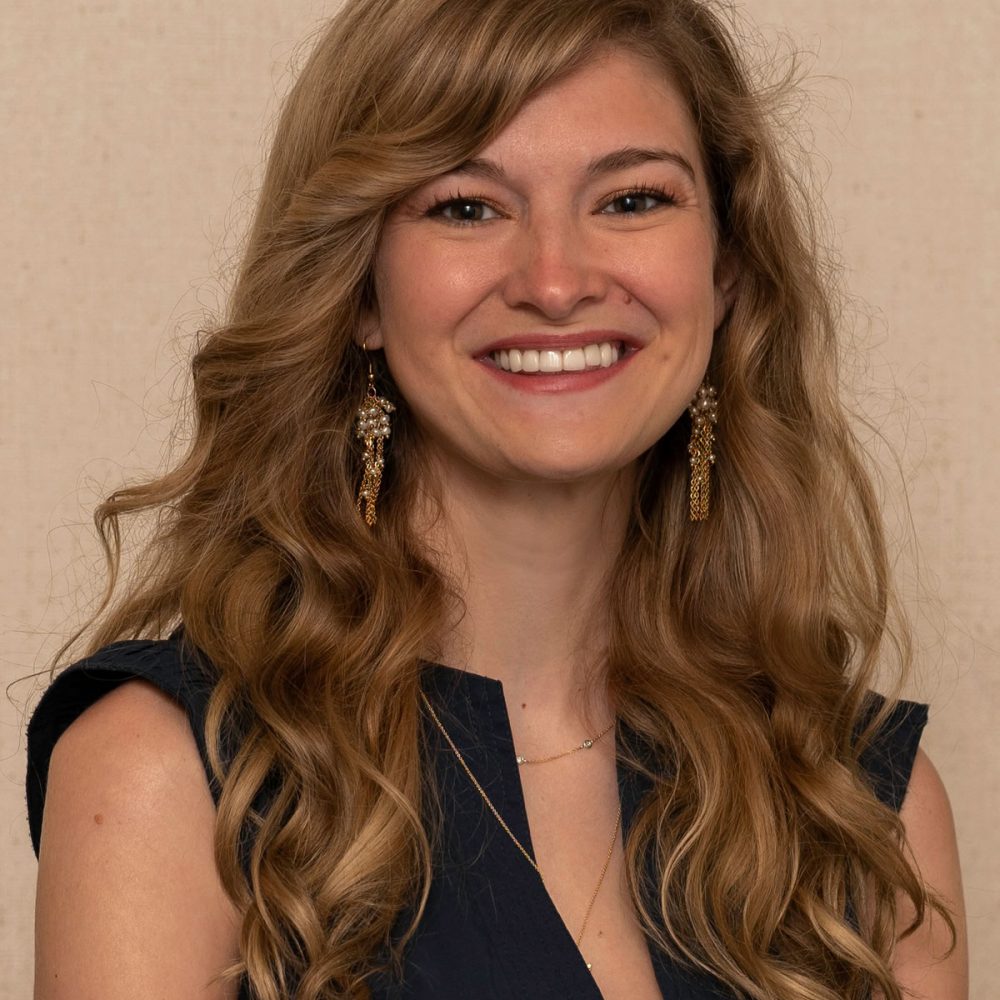
Katie provides technical and creative support for our communications projects, including: MTBC’s social media pages, newsletters, website content, and all things pertaining to outreach design & implementation.
Melissa Donnelly
SCIENCE SPECIALIST
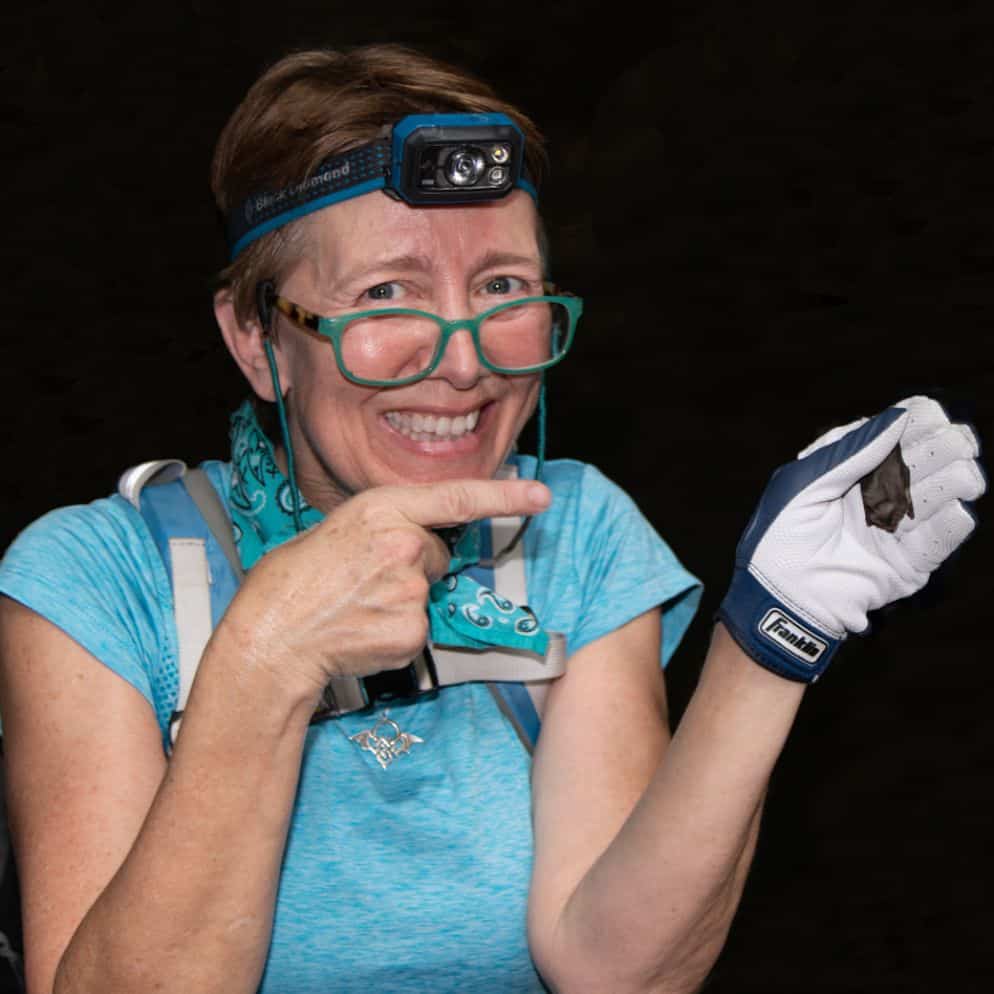
Melissa provides assistance on conservation projects and research. She enjoys helping people help bats and bringing attention to the many individuals and groups doing fantastic work for bat conservation worldwide.
Marla Gostisha
MEMBER SERVICES COORDINATOR
Marla manages donor records and office administration. She is a competitive tennis player and enjoys cycling and photography.
Clarissa McWilliams
DEVELOPMENT DIRECTOR
Clarissa brings more than 10 years of major gifts fundraising and development experience to MTBC. She enjoys building meaningful relationships with donors and partners who share our commitment to protecting bats and increasing appreciation for their essential role in our world.
"Thank you so much for all the support, help and advice you've given us over the years! We really appreciate it and are so grateful to have someone like you as a mentor and role model. You are truly such an amazing inspiration!"
Sheema Abdul Aziz, PhD
Co-founder & President, Rimba (rimba.ngo) | Principal Investigator, Project Pteropus
"Probably no other biologist has done so much to influence others to study, and ultimately protect, a group of organisms as Merlin Tuttle has done for bats. I am proud to count myself as one of those who was influenced by Merlin."
Scott A. Mori
Nathaniel Lord Britton Curator of Botany, The New York Botanical Garden
"I am writing to express my deep gratitude for the amazing work you have done in Brazil. The lecture in the Oswaldo Cruz Foundation on September 15th had a great impact on the vision of ecoepidemiologists on bats. The lecture you delivered in the Brazilian Bat Research Meeting/Mammals Meeting and the time you have spent chatting with students in the two sections of the “coffee with the researcher” unquestionably had a great impact on students, their careers, and the way they can be more proactive in bat conservation. I have no words to express my gratitude for accepting my invitation and join us in Rio de Janeiro and Pirenópolis. Please keep your amazing work in bat conservation."
Dr. Ricardo Moratelli
President, Brazilian Mammal Society
"Merlin has played a pivotal and historic role in the conservation of bats. He has crafted a program that blends cutting-edge science, outstanding outreach, amazing photography and professional advocacy to engage, inspire and motivate a global audience. For the past three decades, Merlin has been at the forefront of every important conservation issue facing bats."
John P. Hayes
Chair, Department of Wildlife Ecology and Conservation, University of Florida
"Thank you for all you do for bats. These photos are treasures."
Janell Cannon
Author of Stellaluna
"Fantastic, unsurpassed milestone! Congratulations Dr. Merlin Tuttle! An inspiration and hero to bats and chiropterologists worldwide! I Would not be where I am today, loving what I do, were it not for Merlin. Thank you for paving the way for all of us! Without you there would be no ‘us'."
Joseph D’Angeli
The BATCAVE at The WILD Life! Conservation Center
"Merlin has a self-sacrificing drive deep in his heart and a sincere dedication that he must share. Add communication, conflict resolution and leadership skills and you have a rock solid leader. And he’s a darned good biologist, too."
Cal Butchkoski
Wildlife Biologist, Pennsylvania Game Commission
"I just wanted to thank you for sharing your time to talk with me. I received a lot of good advice and listening to your stories was very inspiring. It was unbelievably exciting being able to talk to the biggest name in bat conservation! Thank you for all that you have done and for all that you continue to do, especially in talking with people like me who are eager to pursue a career in bat conservation."
Kimberly Linnell
"Merlin’s visit in 2000 was a memorable milestone in bat conservation and provided huge impetus and positive media attention to fledgling South African bat groups."
Peter Taylor
Bat Interest Group of KwaZulu-Natal, Durban, South Africa
"It is sheer magic for someone to take on an animal group like bats and give them a totally new public image. Because of Merlin’s magic—his great drive—many, many people see bats today as charming, furry, innocent, cute, and most of all useful Heroes of the Ecosystem."
Sally Walker
Founder, Zoo Outreach Organization, India
"I have known Merlin for almost 30 years. After he burst on the scene at the National Geographic Society, I was his editor and advisor. Merlin is a remarkable character, fitting right in with the many other notable scientists who have received research grants from the Society, people like Jane Goodall, Louis and Mary Leakey, Dian Fossey—the list is long but exclusive. So why include Merlin? Not just because of his stature as a scientist, but also because he understood from the beginning that promoting bats and their importance was a vital key to our understanding of what really matters on our planet."
Mary Smith
Senior Editor (retired), The National Geographic Society
"I have never met anyone who has a better innate understanding of bat behavior than Merlin Tuttle. Moreover, the impact of his conservation work has been felt throughout the world. Merlin has really changed the way that people think about bats—and by so doing he has secured protection for decades to come."
Rachel Page
Staff Scientist, Smithsonian Tropical Research Institute
Merlin’s approach and style has always been one of education and not admonishment, of the careful choice of words and, most importantly, of leading by a positive example.
Mike Ryan is the Clark Hubbs Reagents Professor in Zoology at the University of Texas, Austin. He is a highly awarded animal behaviorist, has published more than 350 research papers and five books, chairs the Scientific Advisory Board of the Max Planck Institute, is a Senior Research Associate at the Smithsonian Tropical Research Institute, and serves as Vice Chair of Merlin Tuttle’s Bat Conservation Board of Directors.
Michael Lazari Karapetian
Michael Lazari Karapetian has over twenty years of investment management experience. He has a degree in business management, is a certified NBA agent, and gained early experience as a money manager for the Bank of America where he established model portfolios for high-net-worth clients. In 2003 he founded Lazari Capital Management, Inc. and Lazari Asset Management, Inc. He is President and CIO of both and manages over a half a billion in assets. In his personal time he champions philanthropic causes. He serves on the board of Moravian College and has a strong affinity for wildlife, both funding and volunteering on behalf of endangered species.
Linda Moore
Linda was the Director of Administration and Finance for Bat Conservation International for 28 years (retired in 2013). She now serves as the Secretary/Treasurer of Merlin Tuttle’s Bat Conservation’s Board of Directors.
Jeff Acopian
Jeff Acopian has a lifelong dedication to conservation, and for more than 25 years he has been a staunch supporter of Merlin’s bat conservation efforts. Jeff is an electrical engineer and Vice-President of Acopian Power Supplies (www.acopian.com).
Dr. Rick Adams
Rick Adams is Professor Emeritus at the University of Northern Colorado in Greeley, Colorado. He has studied bats since 1984 in Colorado, Wyoming, Caribbean Islands, South Africa, Botswana, and Namibia as well as in Giant Panda habitat of Sichuan Province, China. His research encompasses Ecology, Evolution, and Conservation. He is also President and Founder of the Colorado Bat Society that works to conserve bats and their habitats in Colorado.
Troy Swift
Troy Swift is owner/operator of Swift River Pecans LLC, (a pecan and lumber producer), and a lifelong outdoorsman. For more than 25 years he worked at CFAN, a partnership of General Electric and Safran. Thanks to his outstanding problem solving and management skills, he became the company’s Manufacturing Manager — overseeing up to 500 employees in the production of Stage 1 fan blades for the world’s most powerful jet engine (GE90-115B). He answered directly to the President of CFAN. In 1998, prior to retirement, he purchased land along the San Marcos River in Texas where he now passionately promotes restorative agriculture in pecan production. He is partnering with MTBC and the Noble Research Institute to test the potential importance of orchard bat houses for improved natural pest control.
Madelline Mathis
Madelline Mathis has a degree in environmental studies from Rollins College and a passion for wildlife conservation. She is an outstanding nature photographer who has worked extensively with Merlin and other MTBC staff studying and photographing bats in Mozambique, Cuba, Costa Rica, and Texas. Following college graduation, she was employed as an environmental specialist for the Florida Department of Environmental Protection. She subsequently founded the Florida chapter of the International DarkSky Association and currently serves on the board of DarkSky Texas. She also serves on the board of Houston Wilderness and was appointed to the Austin Water Resource Community Planning Task Force.
Daniel Hargreaves
Daniel Hargreaves is a lifelong bat conservationist who has worked globally to facilitate progress, including co-founding Trinibats, a non-profit bat conservation organization in Trinidad. He has organized and led field workshops worldwide, including five for MTBC. Following a long and successful career in business, he now manages a network of bat reserves for the Vincent Wildlife Trust in the UK, supervising research and development of new and innovative conservation techniques. Daniel also is one of the world’s premier bat photographers.
Mindy Blitch Vescovo
Advisory Council Member Donor Recruitment
Mindy practiced employment law with the State of Texas for almost 20 years. She volunteers for numerous organizations, both through the Junior League of Austin and on her own. She served on the board of a wide variety of groups, planned and executed fundraising events, and founded a non-profit that continues to support animal welfare in Central Texas. Her lifelong interest in environmental issues led naturally to supporting MTBC.