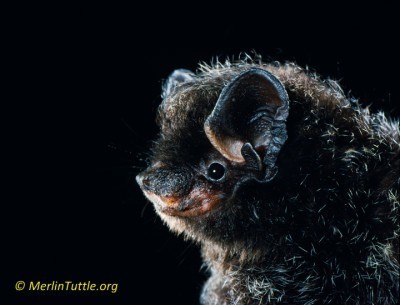
Media headlines are often unnecessarily sensational as they compete for readers/viewers. The National Public Radio headline, “Bats in the bedroom can spread rabies without an obvious bite,” is a good example. However, the story itself, as well as its portrayal of a silver-haired bat, were more balanced than most. Bats can transmit rabies as stated, but […]
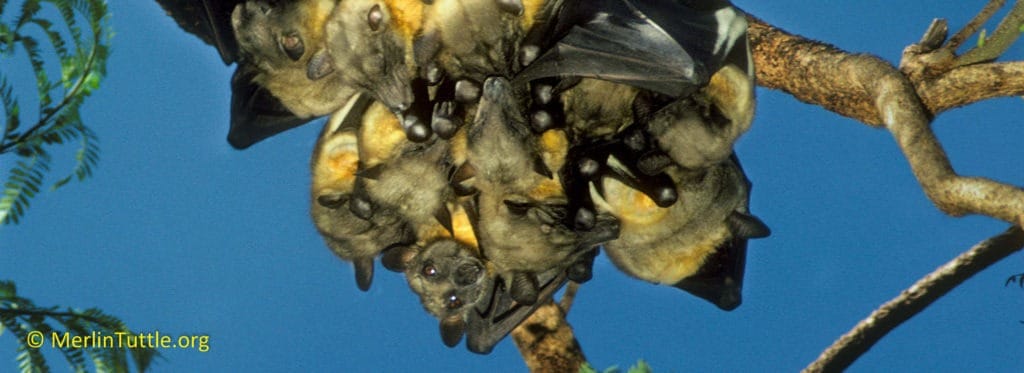
If public health concerns were based on actual threats to human mortality, diseases speculated to be spread by bats would take a distant back seat. Even our beloved dogs are many times more dangerous than bats (1). Real killers, like consumption of over processed and contaminated foods dwarf any risks associated with animals (2). Yet […]

A Little red flying fox (Pteropus scapulatus), one of the many species harmed by needlessly scary stories. Case Closed–No further action needed. Subsequent stories about bats have been greatly improved, mostly positive. Thank you Bat Fans for your participation.May 24, 2016 When Editor Nancy Sasavage politely defended their story as accurate and justified, she apparently ignored my […]
I was quite surprised to find Dana Kobilinsky’s story, Bats Spread Viruses Across Species, posted by The Wildlife Society on September 9. This story runs in stark contrast to your organization’s longstanding dedication to scientific understanding and conservation of wildlife, including bats. Still unproven supposition is presented as fact, and it is assumed without supporting […]
Case Closed–No further action needed. Subsequent stories about bats have been greatly improved, mostly positive. Thank you Bat Fans for your participation. May 24, 2016
Updated 09/04/2020 The cumulative impact of wind power facilities in killing migratory bats threatens to become an environmental crisis that cannot be ignored (O’Shea et al. 2016). By 2012, more than 600,000 bats were being killed annually (Hayes 2013). By 2014, this number had risen to 2.22 million annually, and the number is likely substantially […]
The early promise of clean, renewable energy from wind seemed like a no-brainer, and leading environmental and conservation groups enthusiastically promoted it as an ideal alternative to fossil fuel. Discoveries of an occasional dead bird or bat were viewed as a small price to pay. But over the next decade, it was gradually realized that […]
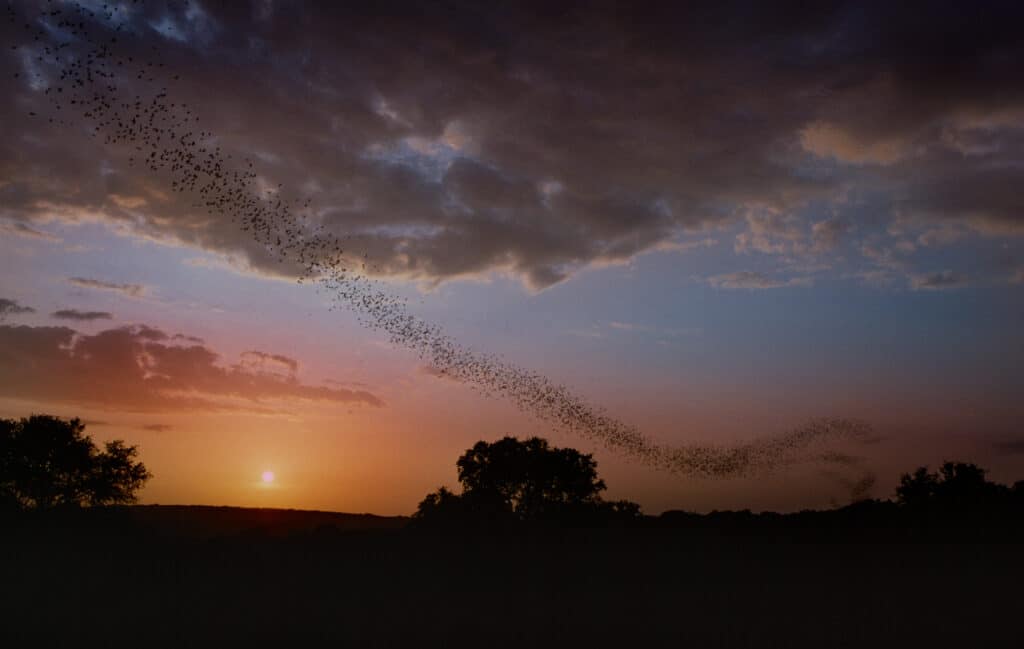
There is no documentation that Ebola, SARS, MERS, Hendra, or COVID-19 have ever been transmitted from bats to humans, though bats are often presented as the source of human infection. Such diseases are also often mentioned as though they are widespread, without admitting that they (excluding COVID-19, of course) are rare or limited to specific […]
Quick Update – 10/10/21 Regarding WNS, we suggest the focus should be on helping bats recover, i.e. strictly protecting, and restoring their most important hibernation sites, protecting remaining summer colonies, and providing artificial roosts. Where these steps have been taken, there is mounting evidence of gradual recovery. There is no evidence that efforts to stop […]
Case Closed–No further action needed. Subsequent stories about bats have been greatly improved, mostly positive. Thank you Bat Fans for your participation. May 24, 2016
