I am writing in response to the unprecedented situation now presented by COVID-19 in North America. Early suggestions regarding potential transmission of SARS-CoV-2 from humans to bats have raised serious concerns among research colleagues, rehabilitators, and cavers. In perusing available knowledge, I agree with veterinarian, Renee Schott. She has pointed out that we can’t control […]
COVID-19 Impact: A Viral Witch Hunt March 27, 2020 Merlin’s op-ed, “A Viral Witch Hunt,” published in Issues in Science and Technology on March 27, 2020 illustrates how misguided focus on bats as speculated sources of scary diseases threatens an invaluable resource and leads to misdirection of public health resources. Continue reading Review of COVID-19 […]
For me, our trip highlight was the visit to the Khao Chong Phran Cave in Ratchaburi Province. Nearly 40 years ago Buddhist monks who owned the cave had asked my advice. Their monastery relied on bat guano fertilizer sales for support. But in 1981 production was plummeting. Of course, and the monks wanted to know […]
Updated 03/26/20 The source of human exposure to the COVID-19 virus, or as it was first called, Wuhan virus, according to the March 12th edition of The Conversation, has yet to be identified. However, in a rush to judgment, far too many public health officials and media outlets are focusing almost entirely on bats. This […]
A December 8 Reuters press release, titled “Health experts warn of emerging threat of Nipah virus,” reported on a two-day Nipah conference in Singapore; picked up by CNA Asia and making headlines across much of Asia. On December 13, CNA World further reported that some experts believe Nipah to be a pandemic threat. Both articles report flying foxes to be the carriers of […]
If public health warnings were based on actual risk, rabies from bats would be near the bottom of the list. On a global scale 99 percent of human rabies comes from dogs, killing more than 60,000 humans annually.1, A In contrast, transmission from bats is exceedingly rare. Colonial species, the ones typically found in buildings, […]

Long Cave, in Kentucky, like many others, has a long history of human occupation with little record of prior use by bats. It was mined for saltpeter, a key ingredient of gun powder, during the war of 1812 and was subject to commercial tourism, probably beginning at about the turn of the century, ending by […]
I learned to photograph bats as an act of desperation. If efforts to conserve bats were to succeed, people needed to see them as they naturally are–gentle, inquisitive, even beautiful. In the 1970s nearly everyone “knew” bats were ugly and dangerous. Virtually all available photos showed frightened bats displaying bared teeth, threatening to bite in […]
Early expectations for green energy, especially from wind, were exciting. We all wanted to believe in a source of energy that was clean and endlessly renewable, one that would permit us to minimize the consequences of expanding population and consumption. When we began to discover that there are no free rides, we still optimistically believed we’d […]
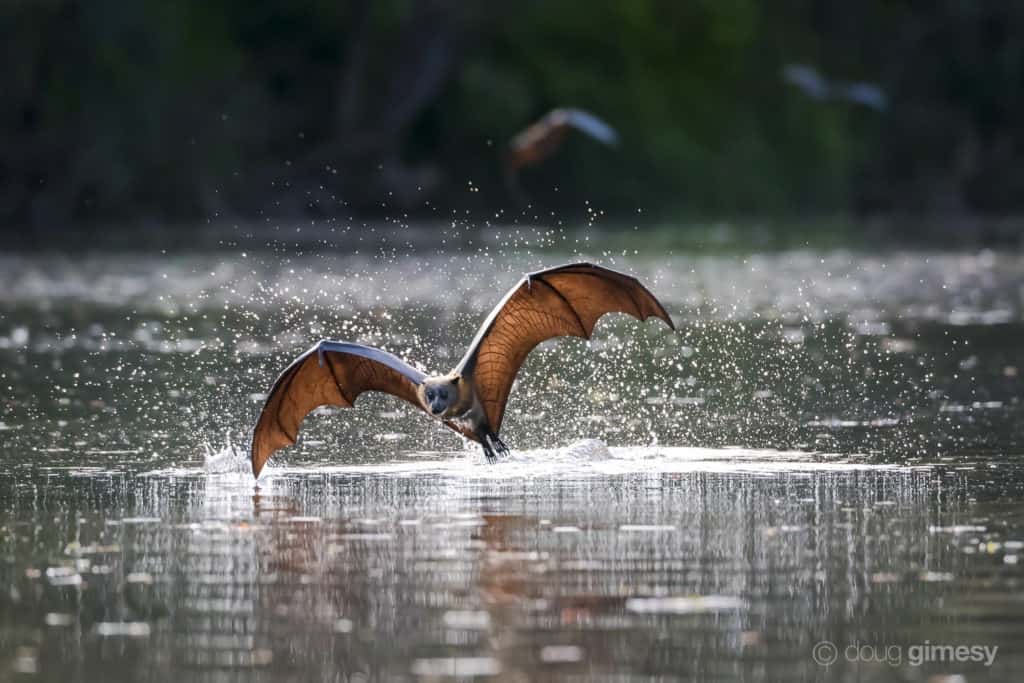
Doug Gimesy ranks among the very best when it comes to wildlife photographers. His numerous awards include winning the Wildscreen Panda Photo Story Award in 2018 and selection as the Australian Geographic Nature Photographer of the Year in 2019. But most importantly he is changing the way the world thinks about nature, having a heart for Australia’s much maligned flying […]
