
Bat City Reimagines Austin’s Bat-Watching Experience
Every summer, more than 100,000 people make their way to Austin’s Congress Avenue Bridge to witness one of the world’s greatest urban wildlife spectacles: more
MTBC’s Antoniya Hubancheva Award was established in honor of Antoniya Hubancheva — the recipient of our first student scholarship (thanks to a generous gift from our first director, Jeff Acopian). This support played a key role in helping “Toni” gain acceptance into the prestigious Max Planck Institute graduate program, where she excelled and successfully completed her Ph.D. in 2023. Her scientific discoveries have been filmed by the BBC and National Geographic, and we’re very proud of her.
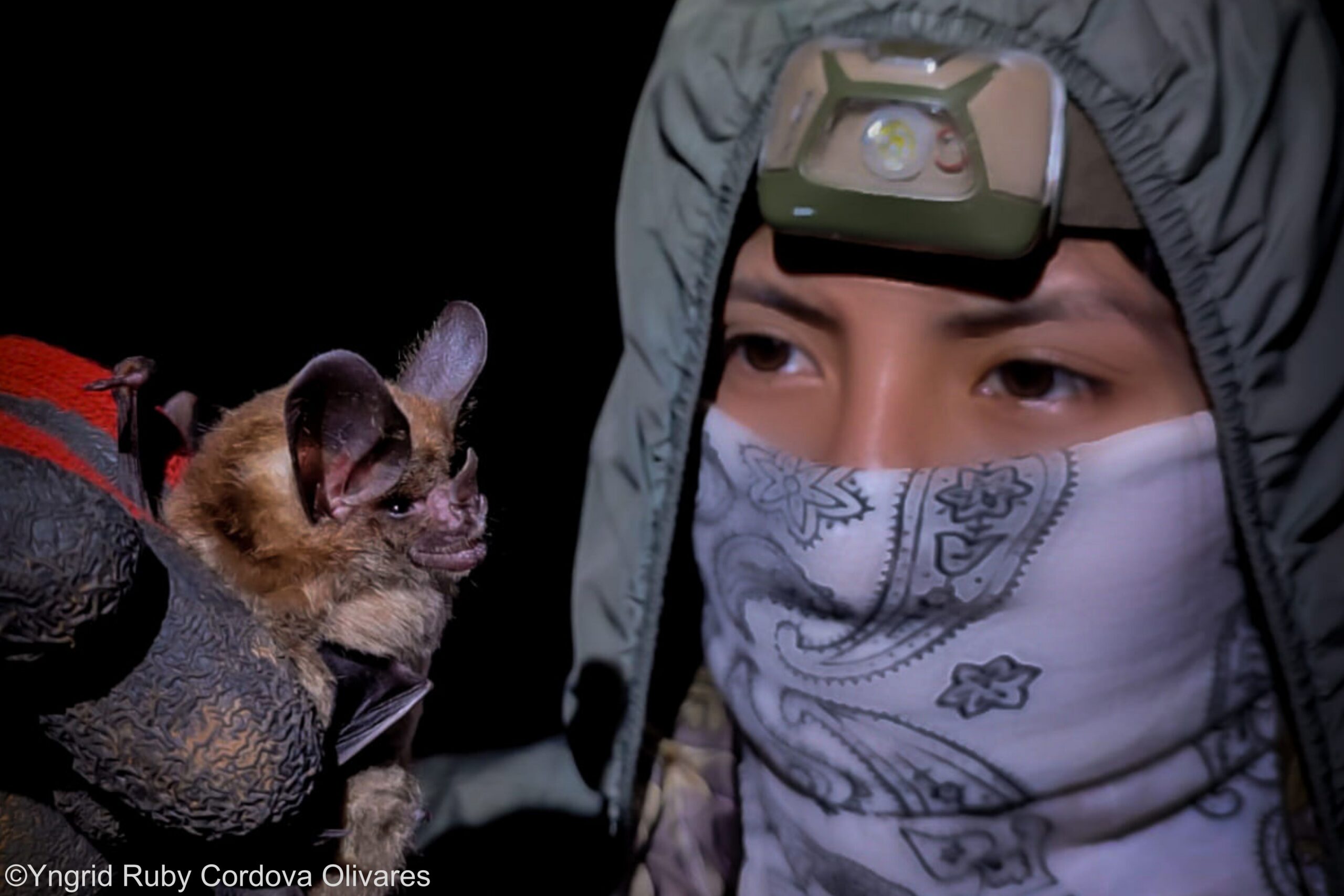
The award was created in 2024 and we are delighted to announce that the 2026 Antoniya Hubancheva Award of $5,000 will go to Yngrid Ruby Cordova Olivares, from Peru. She will use the award to support her project investigating the importance of insect-eating bats in the natural reduction of crop pests in cacao farms, reducing the need for pesticides — protecting ecosystems, improving farm sustainability, and saving farmers money.
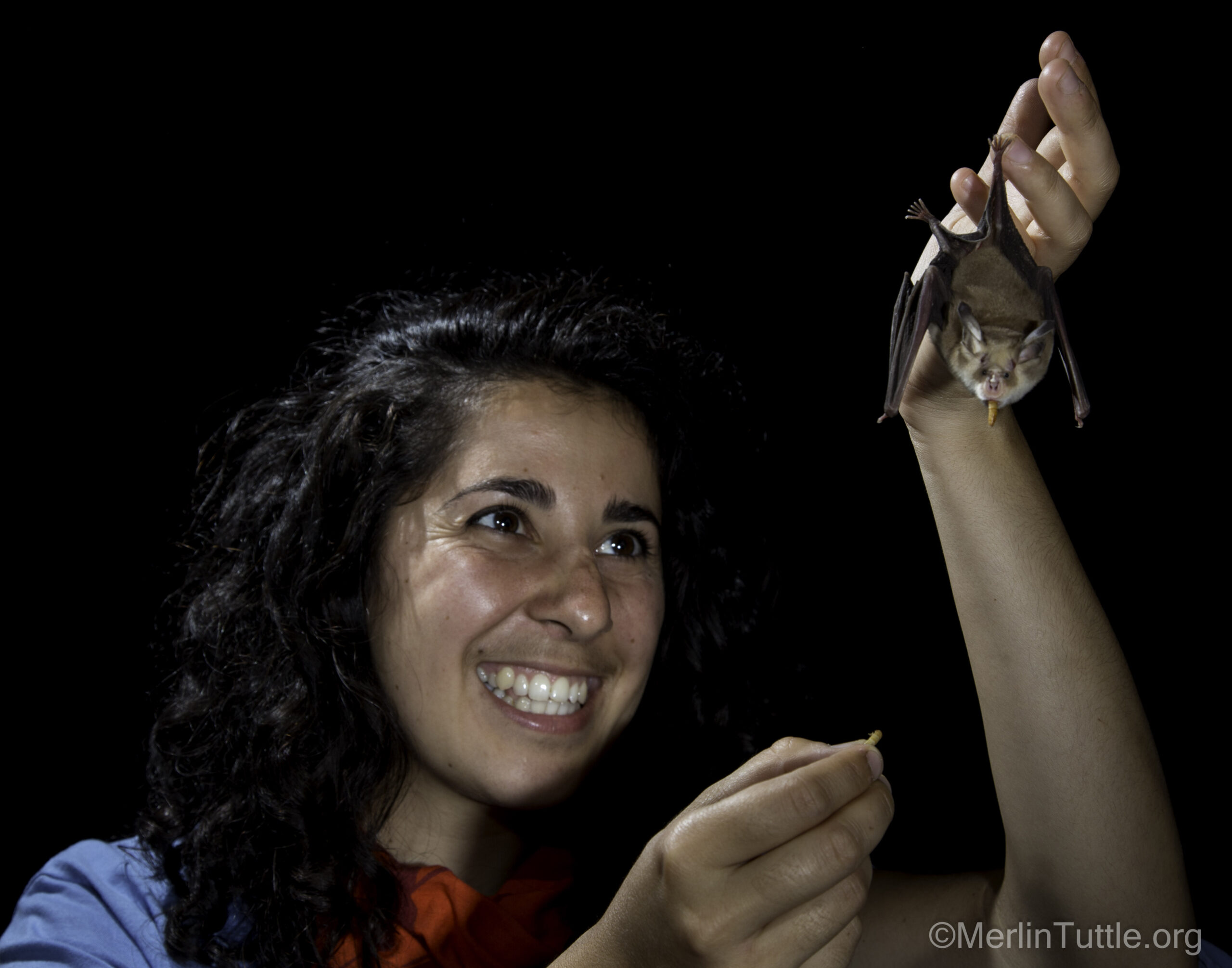
By combining experimental plots, bioacoustic monitoring, and DNA-based diet analysis, she will assess how bats influence insect pest abundance and crop damage. Projects like this help demonstrate the clear economic and ecological value of bats, shifting perceptions and strengthening the case for conserving bat habitats.
Thanks to support from several generous donors, including Anne, Julie, and Brittany Johnson; we were able to award five additional applicants $5,000 each in support for their outstanding research.
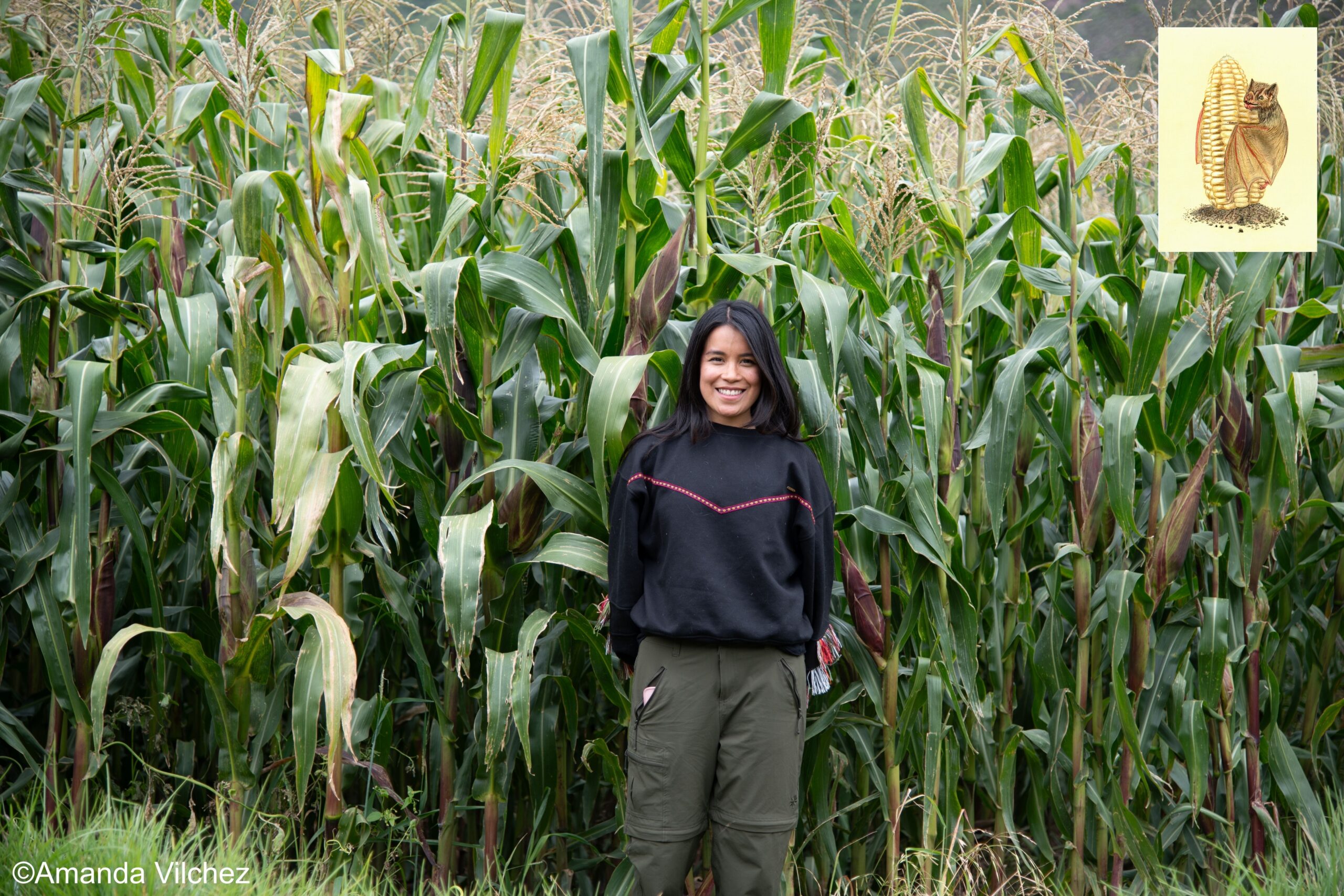
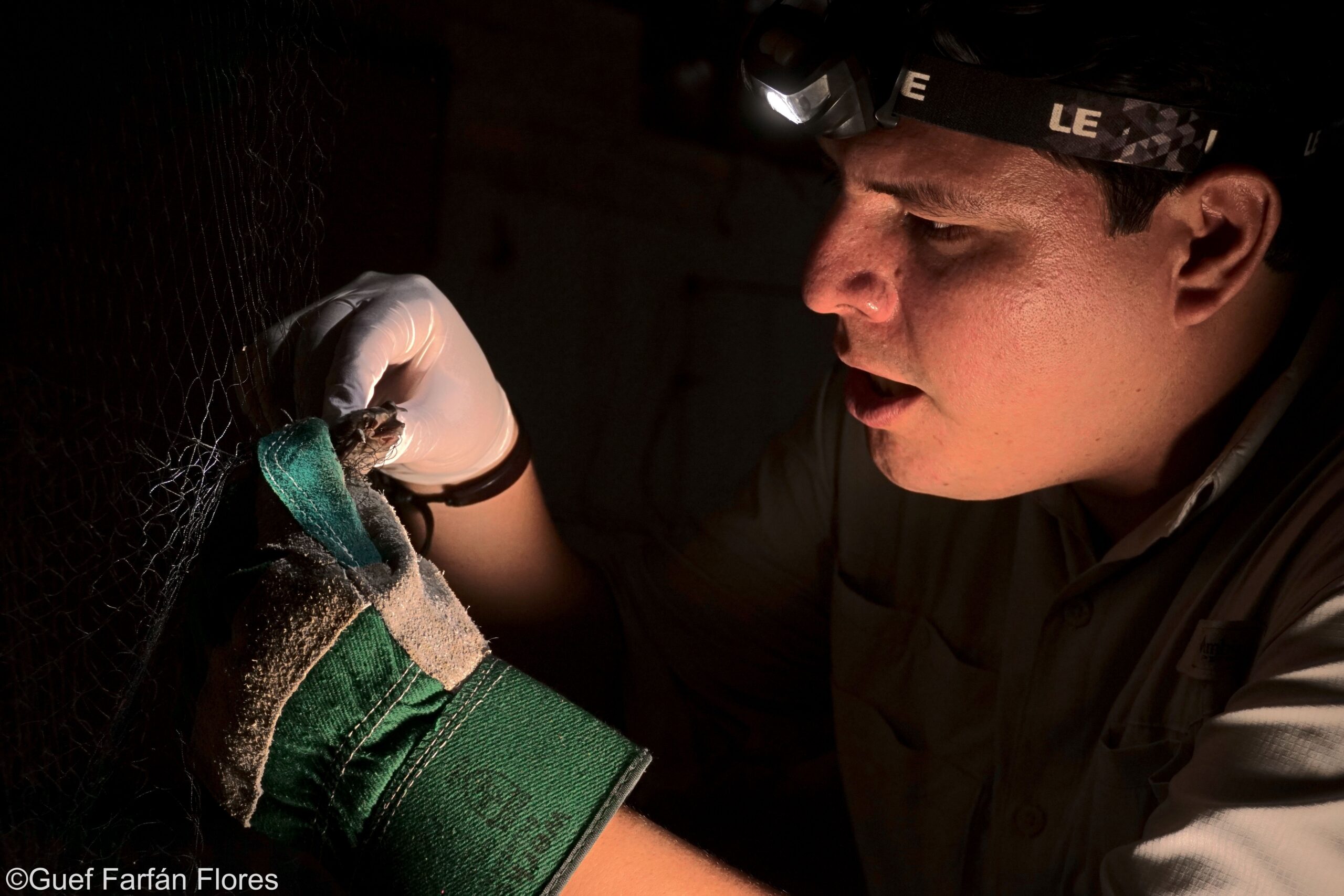
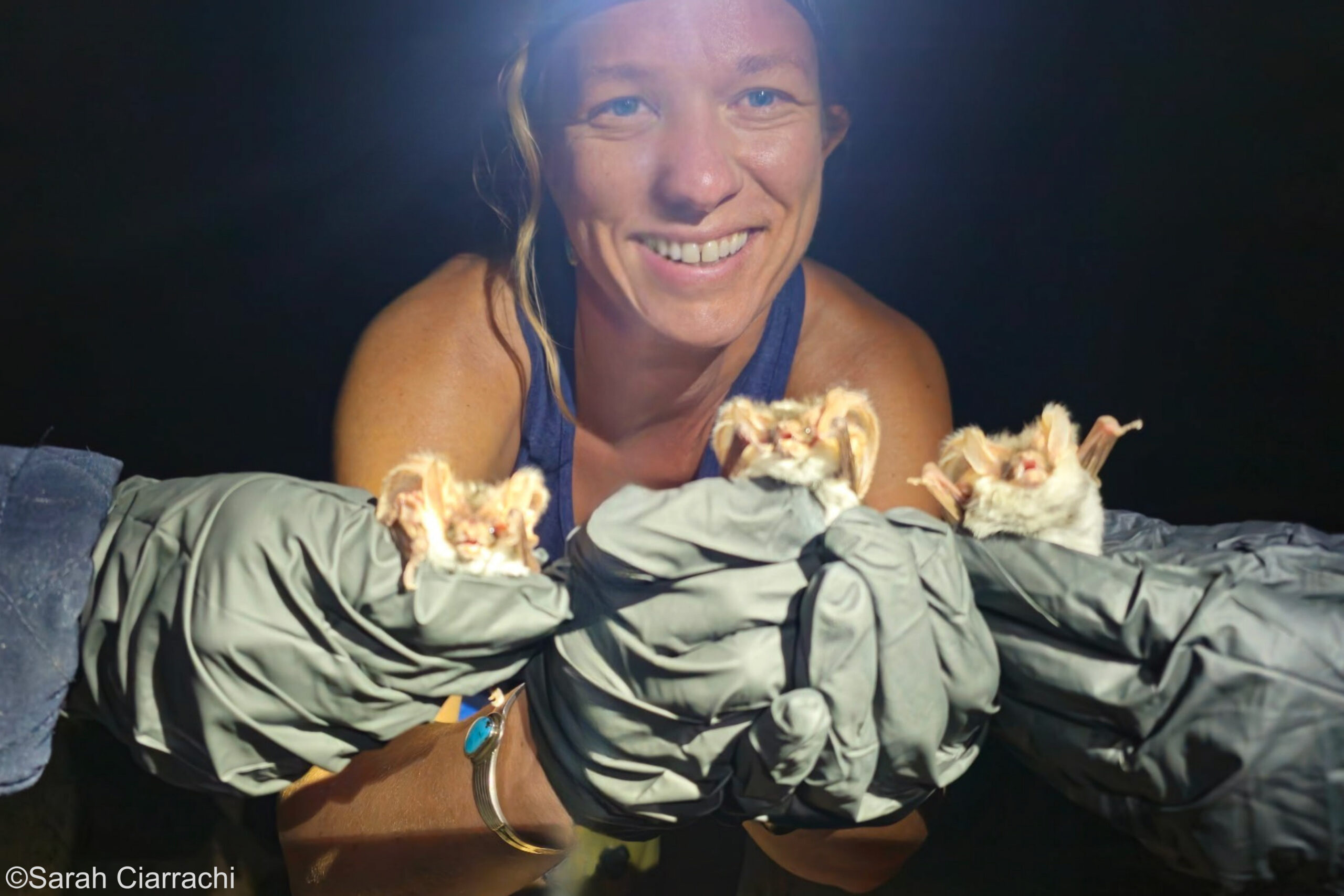
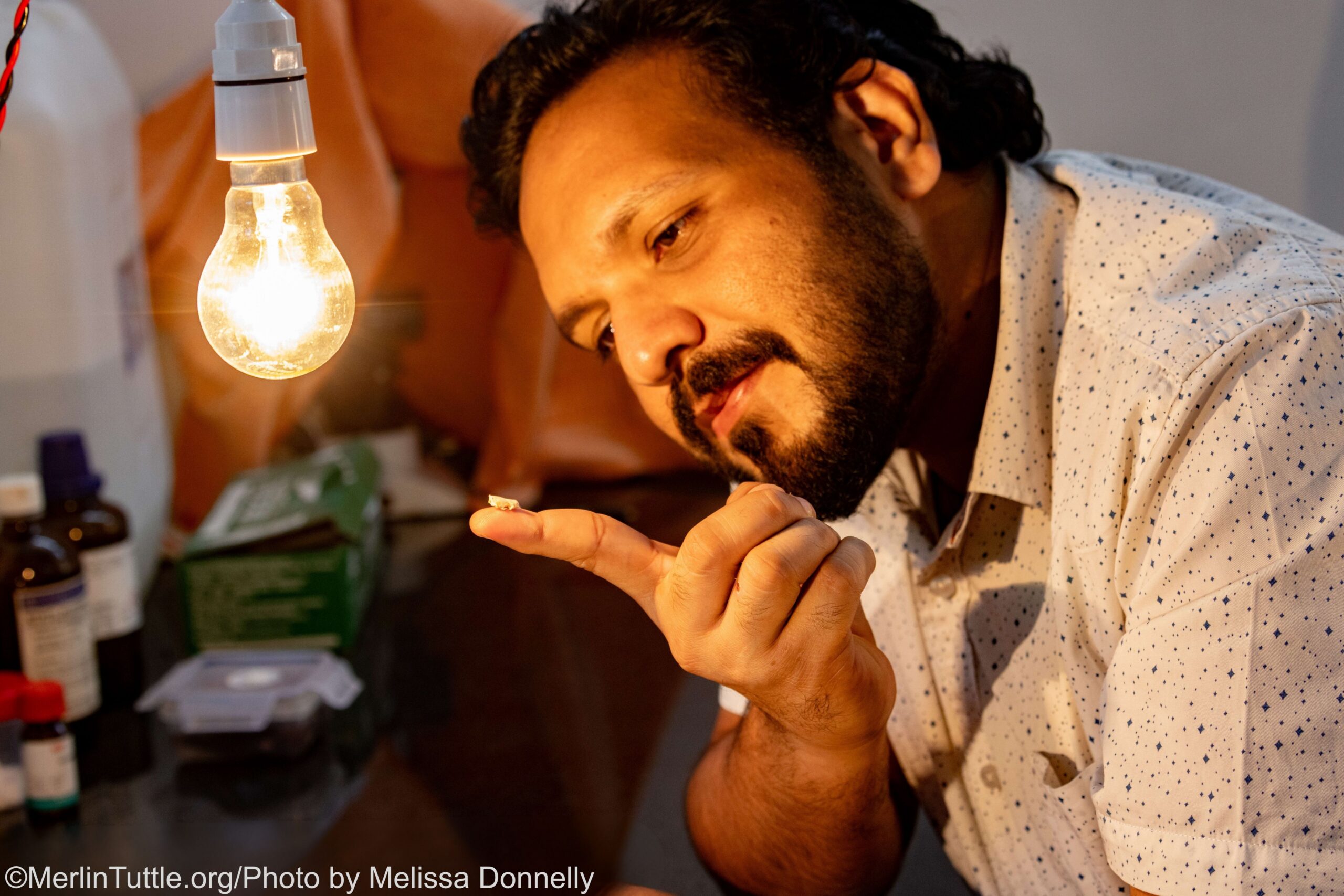
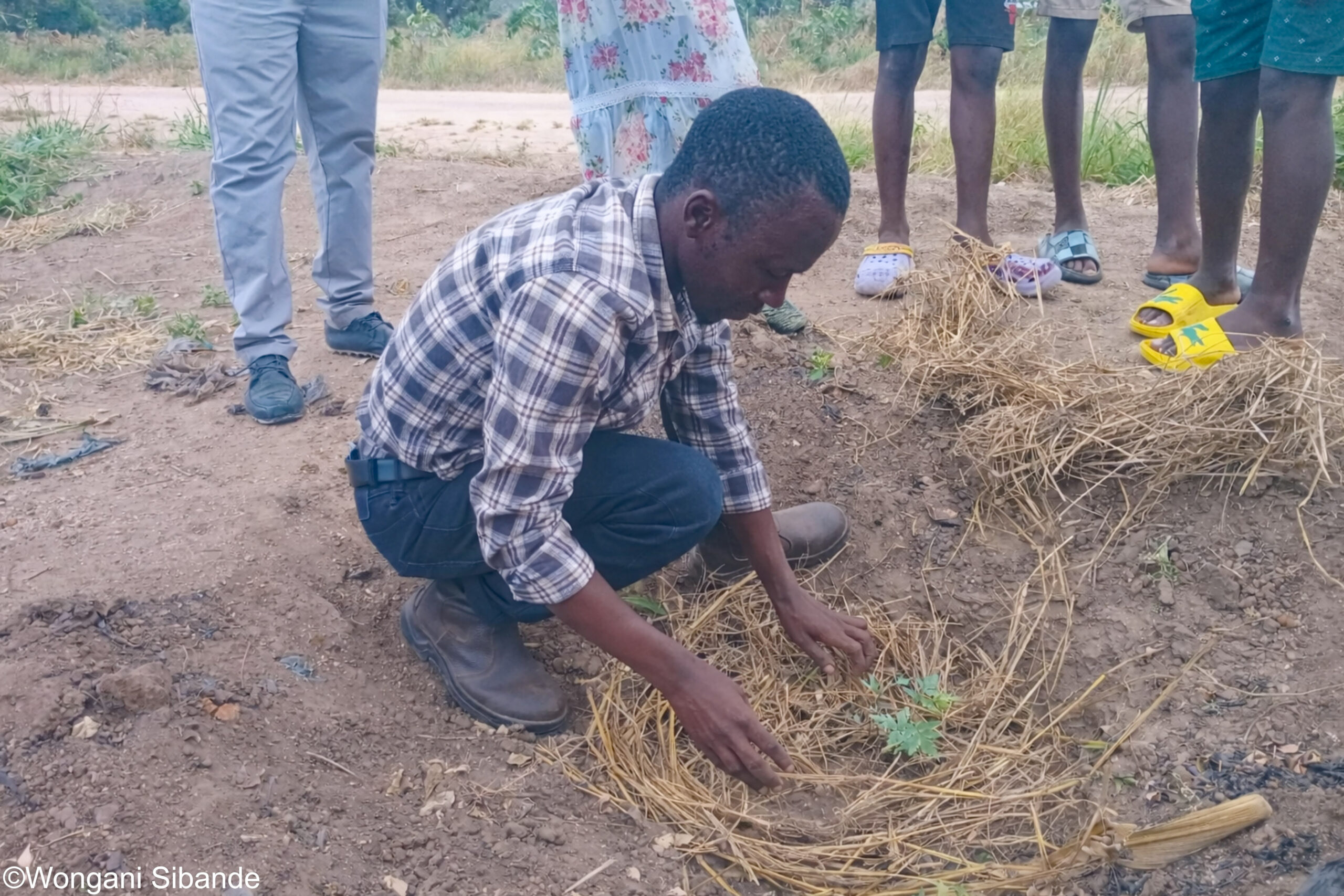
Applications for the 2027 Antoniya Hubancheva Award will reopen this September and again will be preferentially awarded to individuals from developing countries who are working on projects of exceptional value to bat conservation. We look forward to sharing progress reports.
Want to see more work like this? Click here to support future scholarships and the conservationists behind them. If you’re not in a position to give, you can still make a big impact by sharing this program — thank you for helping us spread the word.
Love our content? Support us by sharing it!
Every summer, more than 100,000 people make their way to Austin’s Congress Avenue Bridge to witness one of the world’s greatest urban wildlife spectacles: more
A Disturbing Scene Beneath the Trees During recent heatwaves across southeastern Australia, heartbreaking scenes unfolded in grey-headed flying-fox (Pteropus poliocephalus) colonies. As temperatures soared past
A 40-year-old prediction of “self-perpetuating bat disease hysteria” has been fulfilled.1 Based on my 65 years of experience, I believe it’s time to revise disease-related
When forests are cleared, not all wildlife responds the same way. Some species adapt. Others struggle. Think of how raccoons and coyotes thrive around towns,
Daniel Hargreaves is a lifelong bat conservationist who has worked globally to facilitate progress, including co-founding Trinibats, a non-profit bat conservation organization in Trinidad. He has organized and led field workshops worldwide, including five for MTBC. Following a long and successful career in business, he now manages a network of bat reserves for the Vincent Wildlife Trust in the UK, supervising research and development of new and innovative conservation techniques. Daniel also is one of the world’s premier bat photographers.
Madelline Mathis has a degree in environmental studies from Rollins College and a passion for wildlife conservation. She is an outstanding nature photographer who has worked extensively with Merlin and other MTBC staff studying and photographing bats in Mozambique, Cuba, Costa Rica, and Texas. Following college graduation, she was employed as an environmental specialist for the Florida Department of Environmental Protection. She subsequently founded the Florida chapter of the International DarkSky Association and currently serves on the board of DarkSky Texas. She also serves on the board of Houston Wilderness and was appointed to the Austin Water Resource Community Planning Task Force.
Michael Lazari Karapetian has over twenty years of investment management experience. He has a degree in business management, is a certified NBA agent, and gained early experience as a money manager for the Bank of America where he established model portfolios for high-net-worth clients. In 2003 he founded Lazari Capital Management, Inc. and Lazari Asset Management, Inc. He is President and CIO of both and manages over a half a billion in assets. In his personal time he champions philanthropic causes. He serves on the board of Moravian College and has a strong affinity for wildlife, both funding and volunteering on behalf of endangered species.