During recent heatwaves across southeastern Australia, heartbreaking scenes unfolded in grey-headed flying-fox (Pteropus poliocephalus) colonies. As temperatures soared past 42°C (108°F), bats began coming down from their roosting trees. Wildlife rescuers described orphaned pups clinging to mothers that had succumbed to the heat, while volunteers worked through scorching afternoons to rescue survivors.
These tragic moments were part of the largest flying-fox mass mortality event since Australia’s devastating 2019 – 2020 “Black Summer” fires, with thousands of bats dying across South Australia, Victoria, and New South Wales.
In some colonies, losses were staggering. One South Australian camp reportedly lost more than 80% of its population, while hundreds more died in colonies across Victoria, despite emergency rescue efforts.
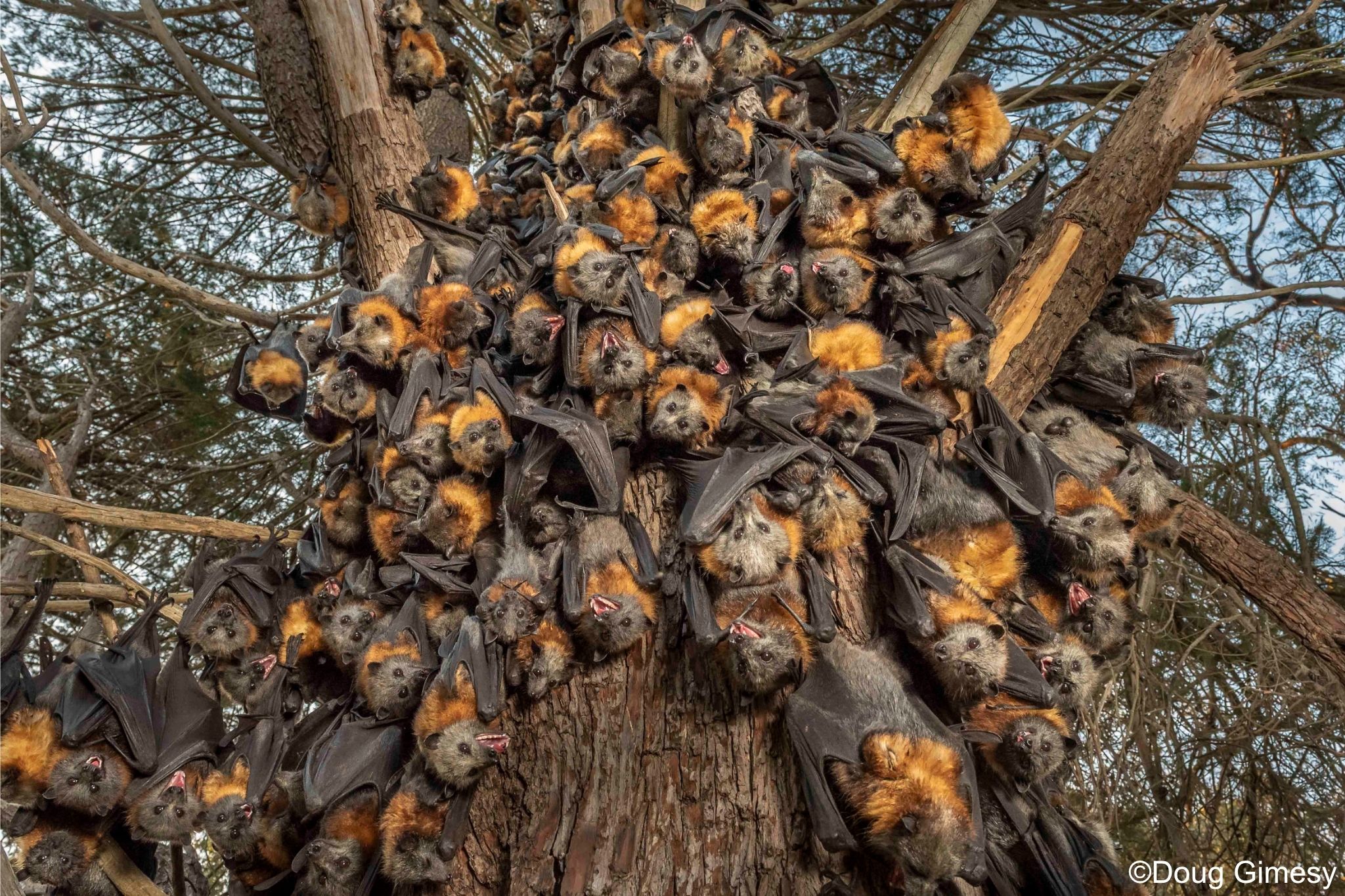
In a desperate search for somewhere cooler and less exposed, these grey-headed flying-fox (Pteropus poliocephalus) descend from the safety of the tree canopy, looking for a cooler place during an extreme heat-stress event at Melbourne's Yarra Bend. This behavior results in what experts call ‘clumping’ - where the number of bats in close proximity means that the animals get even hotter. It is often a precursor to mass deaths. During this event, an estimated 4,500 grey-headed flying-foxes died in this one location.
For many Australians witnessing these events, the experience was both shocking and deeply emotional – bringing additional attention to the growing threat extreme heat poses to wildlife.
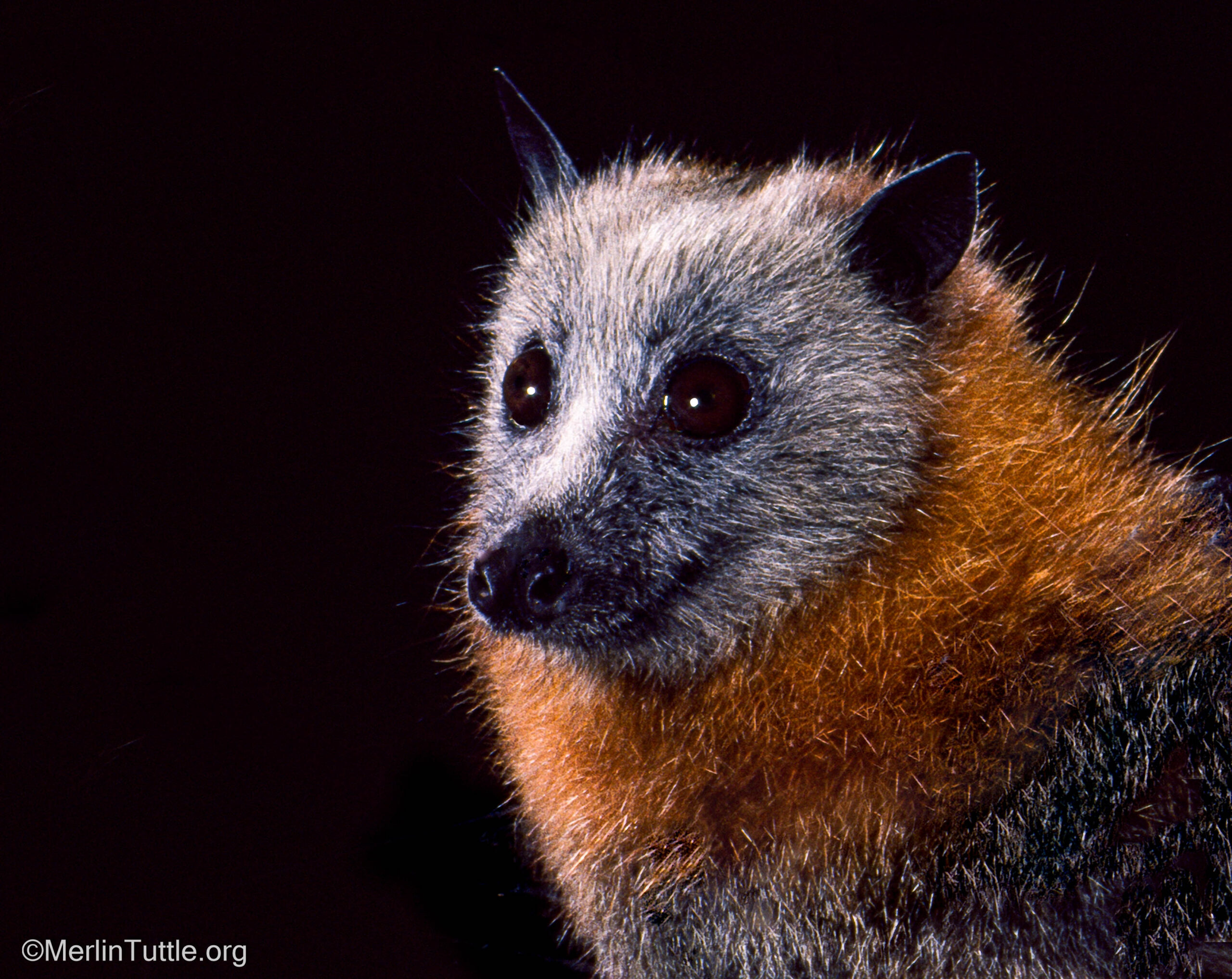
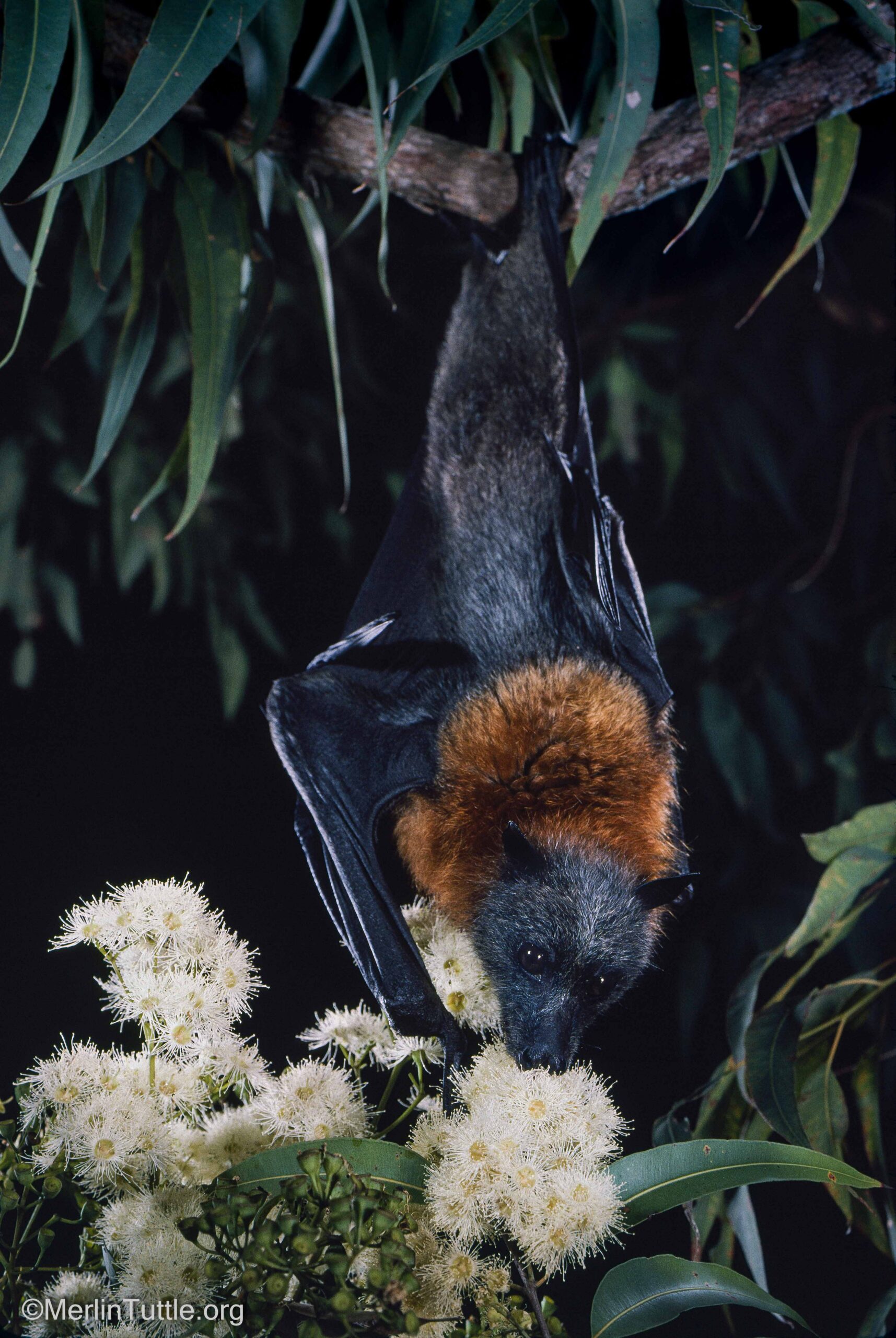
A grey-headed flying fox (Pteropus poliocephalus) in Australia.
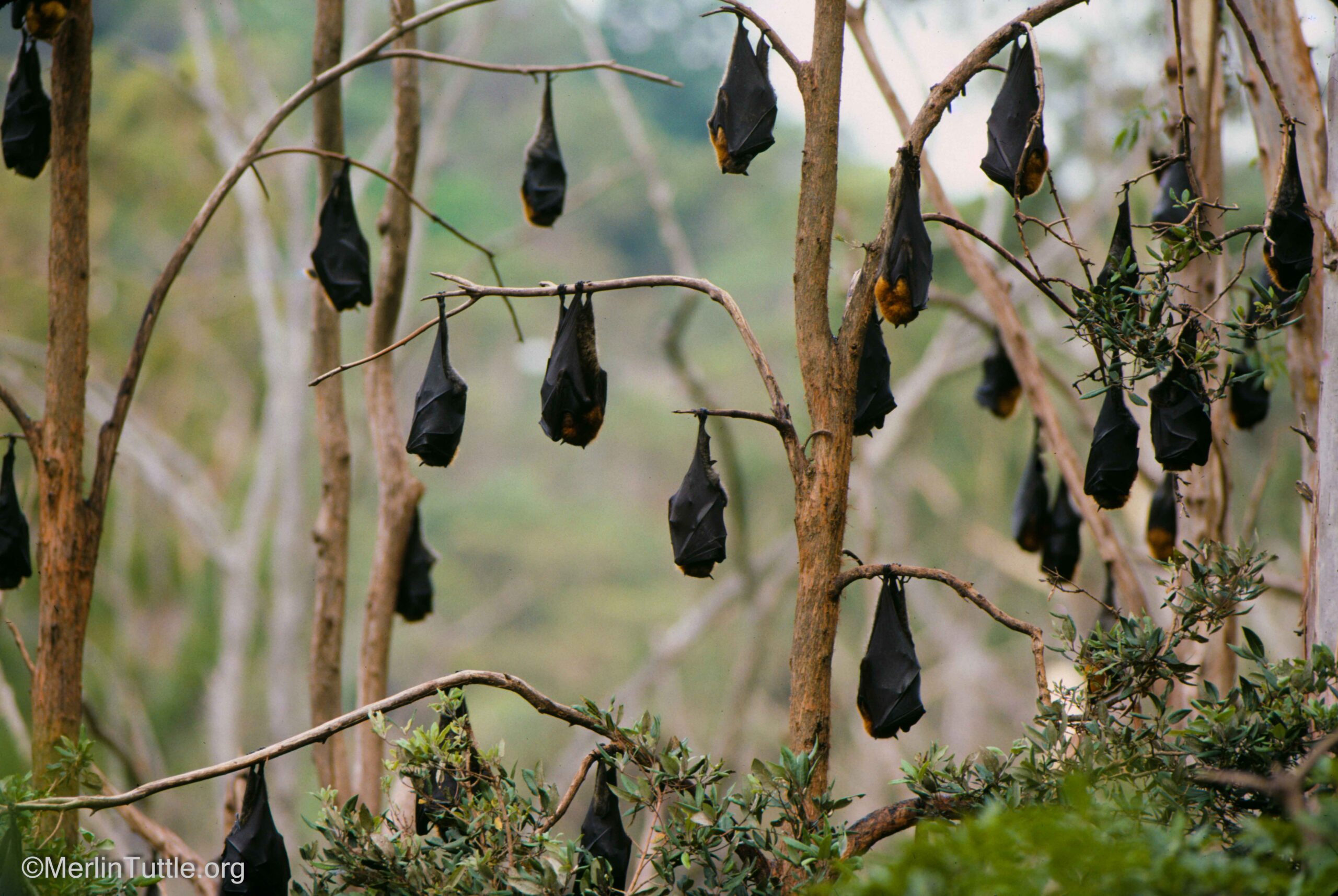
A grey-headed flying fox (Pteropus poliocephalus) colony perched in Ku-ring-gai Chase National Park, Sydney Australia.
Heatwaves and Flying-Foxes
Flying-foxes (fruit bats in the genus Pteropus) are among Australia’s most important nighttime pollinators and seed dispersers. Entire forests depend on them to spread pollen and seeds across vast landscapes.
Heatwaves pose a serious threat to all wildlife. And for flying-foxes, their ecology makes the impacts of extreme heat especially visible. Flying-foxes roost in large, dense colonies, often in exposed canopy and frequently in or near urban areas. As a result, when heat stress occurs, the effects can be sudden, widespread, and highly noticeable.
Like many mammals, flying-foxes rely on behavioral cooling strategies. They cannot sweat and instead try to regulate their temperature by fanning their wings, seeking cooler locations within the roost, licking their wing membranes and by panting. When temperatures rise above about 42°C, these methods can fail to prevent overheating.
During severe heat stress events, thousands of bats may perish in a matter of hours. Over the past two decades, tens of thousands of flying-foxes have died during extreme heat events — making them a powerful indicator of how rising temperatures are affecting wildlife more broadly.
The Crisis Continues to Draw Attention — and Action
While the losses are alarming, one constant has been the extraordinary response from wildlife carers and communities. For decades, people have stepped up during extreme heat events, rescuing and caring for affected flying-foxes even as the scale of these crises has grown.
Major heat events over the past 25 years have repeatedly drawn media attention, with images of bats succumbing to extreme temperatures and volunteers racing to save them bringing national focus to the issue. These moments have helped highlight the broader impacts of climate change on wildlife.
Across Australia, wildlife carers, scientists, and volunteers continue to respond — often with limited resources and coordination. Rescue teams monitor bat colonies during extreme heat, spray water to help cool bats, and care for orphaned pups that might otherwise die of starvation or dehydration. At rehabilitation centers, carers may go through dozens of kilograms of fruit each day feeding rescued bats back to health.
Despite increasing challenges and gaps in coordinated government response, these dedicated networks continue to mobilize time and again, to ensure that as many bats as possible survive each extreme heat event.
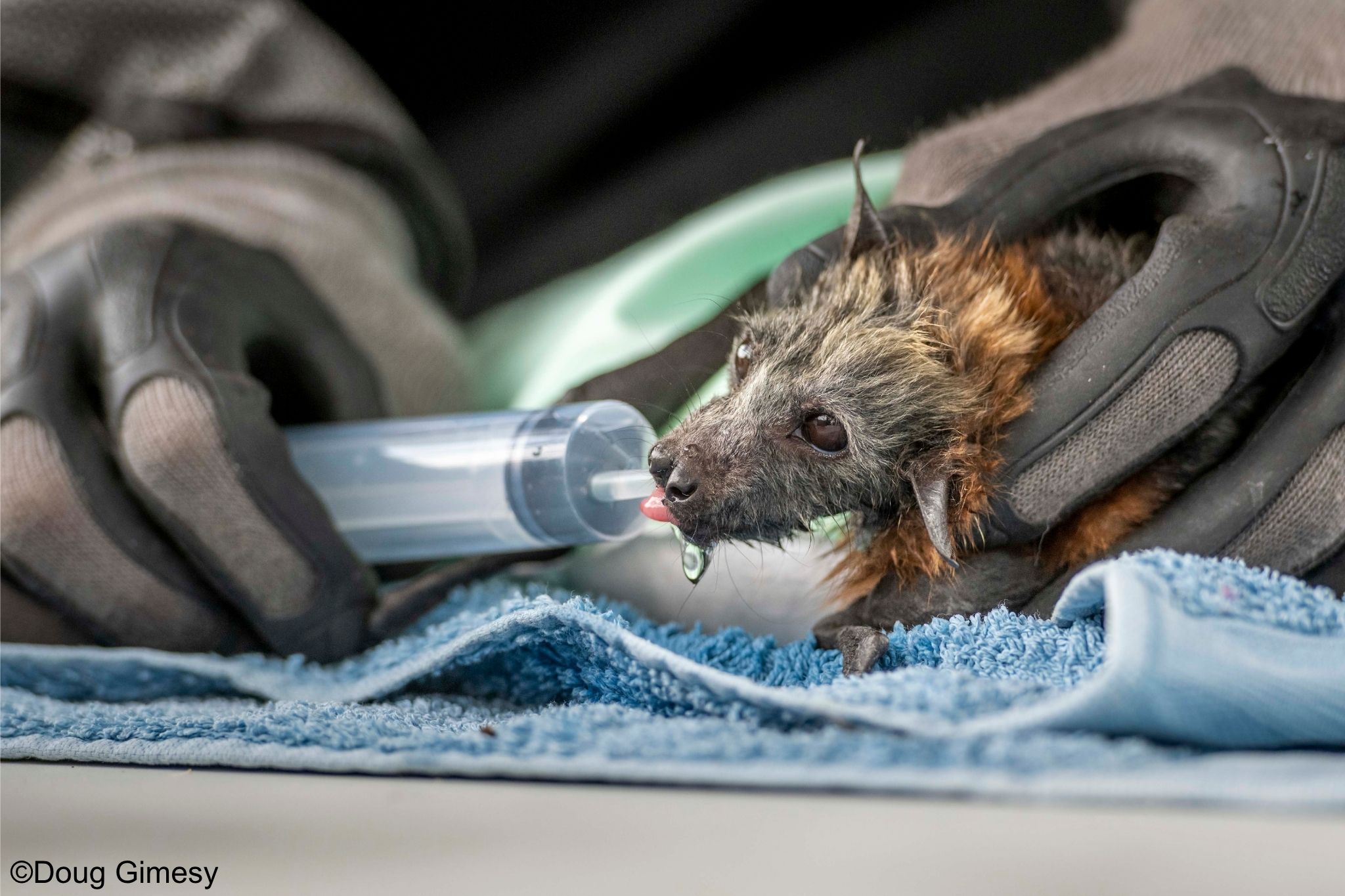
During an extreme heat-stress event where temperatures exceeded 40°C, Melbourne Zoo veterinarian Sarah Frith provides cool fluids to a grey-headed flying-fox (Pteropus poliocephalus) that succumbed to the heat and was rescued from the ground.
Science is Helping Find Solutions
Researchers are also working to reduce the toll of extreme heat.
Scientists studying flying-fox conservation ecology are investigating ways to predict and mitigate heat stress in bat colonies, including understanding the microclimates within roost trees and testing cooling strategies such as sprinkler systems.
Early research suggests that targeted misting or sprinklers may help lower temperatures in bat camps and reduce mortality during heatwaves. However, this approach remains experimental. Increased humidity can interfere with flying-fox thermoregulation, potentially worsening heat stress under certain conditions. For this reason, researchers are continuing to test when and how these interventions can be used safely, and caution against their uncoordinated or ad hoc use.
Other studies are examining how bats adjust their behavior during environmental stress and how major disturbances — such as heatwaves and bushfires — affect their foraging patterns and habitat use.
Together, these efforts are helping conservationists move from simply reacting to disasters, towards trying to anticipate and prevent them.
A grey-headed flying fox (Pteropus poliocephalus) pollinating a rose gum tree (Angophora costata) in Australia. Flying foxes are the continent's most important long-distance pollinators and seed dispersers.
A Movement to Protect Flying-Foxes — Sustained by People
Perhaps the most encouraging sign is not new, but enduring: people have been showing up for flying-foxes for decades.
During every major heat event over the past 25 years, communities, wildlife carers, and volunteers have mobilized — often at a moment’s notice — to rescue, rehabilitate, and care for affected bats. These efforts have unfolded in full public view, with media coverage repeatedly bringing attention to both the scale of the crisis and the dedication of those responding.
Across Australia, that commitment continues. Communities organize to protect local bat colonies. Scientists share research to guide better conservation strategies. Wildlife carers dedicate countless hours — often under challenging and under-resourced conditions — to rescue and rehabilitate.
Yet, despite this sustained effort, coordinated government responses have often lagged behind the growing scale of extreme heat events. And still, time and again, carers and communities find a way to respond.
At the same time, more people are recognizing what flying-foxes have always been: essential partners in healthy ecosystems. These bats pollinate forests, disperse seeds across great distances, and help regenerate landscapes after fires and storms. Protecting them means protecting the forests and wildlife that depend on them.
Hope in the Face of Rising Heat
Extreme heat events remain a serious and growing challenge for flying-foxes and other wildlife. But alongside these losses is something just as powerful: a long-standing commitment from people who continue to care and take action, year after year.
For decades, wildlife carers, scientists, and communities have responded to these heat events, doing everything they can to protect bat colonies and save individual animals. That dedication has not wavered, even as the challenges have intensified.
With continued research, stronger conservation efforts, and better coordinated responses, there is reason to believe that flying-foxes can persist— even in a warming world.
Concern for these remarkable bats has endured. And with it, a determination to ensure they keep filling Australia’s night skies for generations to come.
*Special thanks to Justin Welbergen for his resources and editorial support on this piece.
Every summer, more than 100,000 people make their way to Austin’s Congress Avenue Bridge to witness one of the world’s greatest urban wildlife spectacles: more
A 40-year-old prediction of “self-perpetuating bat disease hysteria” has been fulfilled.1 Based on my 65 years of experience, I believe it’s time to revise disease-related
When forests are cleared, not all wildlife responds the same way. Some species adapt. Others struggle. Think of how raccoons and coyotes thrive around towns,
MTBC’s Antoniya Hubancheva Award was established in honor of Antoniya Hubancheva — the recipient of our first student scholarship (thanks to a generous gift from our
Daniel Hargreaves is a lifelong bat conservationist who has worked globally to facilitate progress, including co-founding Trinibats, a non-profit bat conservation organization in Trinidad. He has organized and led field workshops worldwide, including five for MTBC. Following a long and successful career in business, he now manages a network of bat reserves for the Vincent Wildlife Trust in the UK, supervising research and development of new and innovative conservation techniques. Daniel also is one of the world’s premier bat photographers.
Madelline Mathis
Madelline Mathis has a degree in environmental studies from Rollins College and a passion for wildlife conservation. She is an outstanding nature photographer who has worked extensively with Merlin and other MTBC staff studying and photographing bats in Mozambique, Cuba, Costa Rica, and Texas. Following college graduation, she was employed as an environmental specialist for the Florida Department of Environmental Protection. She subsequently founded the Florida chapter of the International DarkSky Association and currently serves on the board of DarkSky Texas. She also serves on the board of Houston Wilderness and was appointed to the Austin Water Resource Community Planning Task Force.
Michael Lazari Karapetian
Michael Lazari Karapetian has over twenty years of investment management experience. He has a degree in business management, is a certified NBA agent, and gained early experience as a money manager for the Bank of America where he established model portfolios for high-net-worth clients. In 2003 he founded Lazari Capital Management, Inc. and Lazari Asset Management, Inc. He is President and CIO of both and manages over a half a billion in assets. In his personal time he champions philanthropic causes. He serves on the board of Moravian College and has a strong affinity for wildlife, both funding and volunteering on behalf of endangered species.