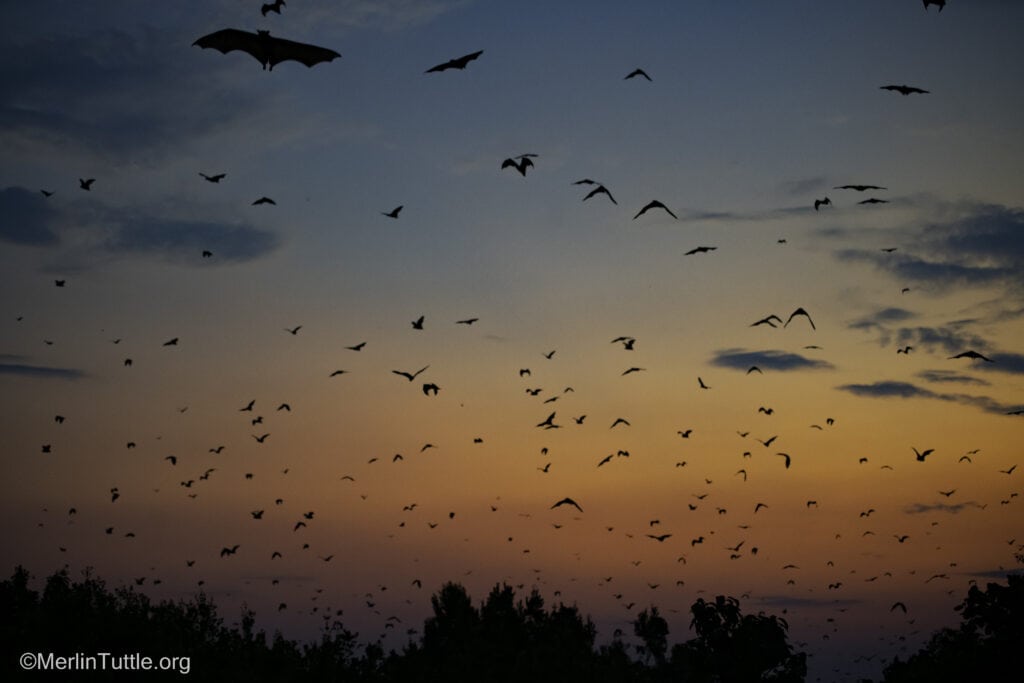
Zambia’s Kasanka National Park provides a key “refueling” stopover site for some 8 – 10 million straw-colored fruit bats, the world’s largest remaining mammal migration. It also supports an unusually diverse assortment of habitats, including a wide variety of woodlands and riparian forests interspersed with papyrus swamps, lakes and grassy floodplains. In addition to the […]
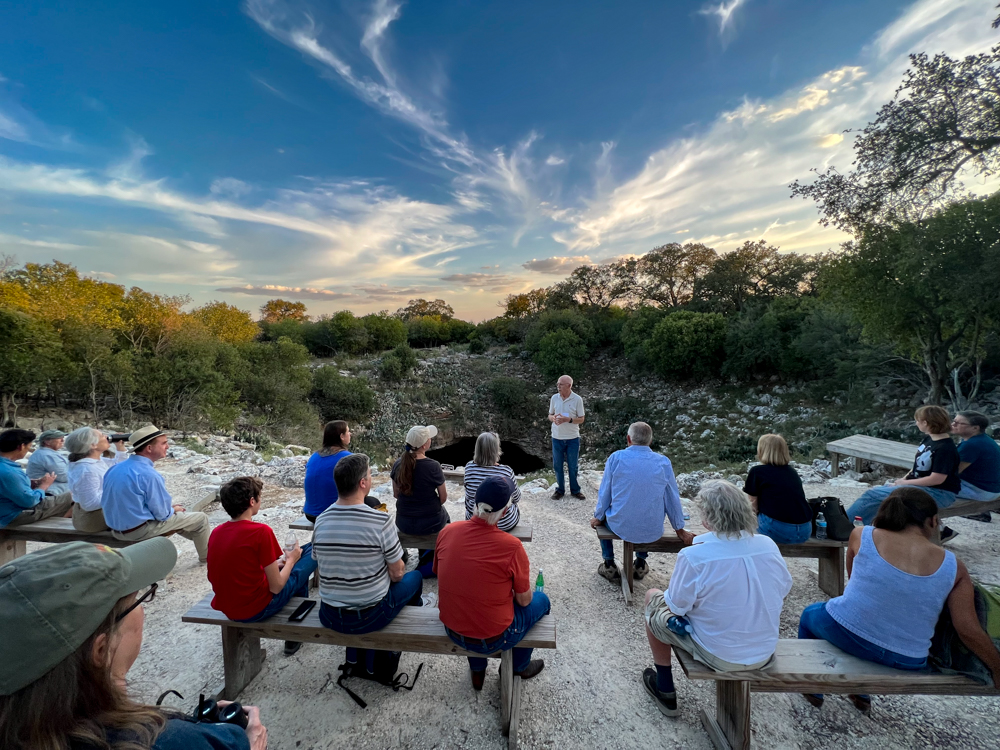
Our Join the Nightlife workshop in Central Texas featured a collaboration with Swift River Pecans and the Noble Research Institute, and was an enthusiastically acclaimed success by participants. Thirty-two attended from seven states, spending three days and nights learning from leading experts on bats and environmentally friendly pecan growing and agriculture. Speakers included Troy Swift, […]
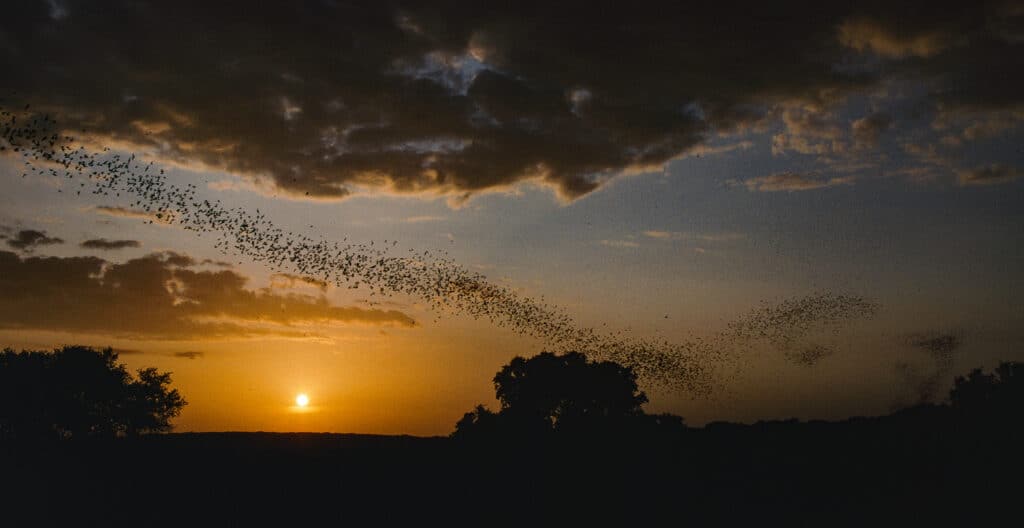
Earlier this year, we partnered with Bat Survey Solutions to survey for bats at Swift River Pecans, where MTBC is currently testing characteristics of bat house success in Texas. The goal was to identify bat species using native pecan forests and cultivated orchards and to document their role in agricultural pest control. We identified seven species using mist nets, harp […]
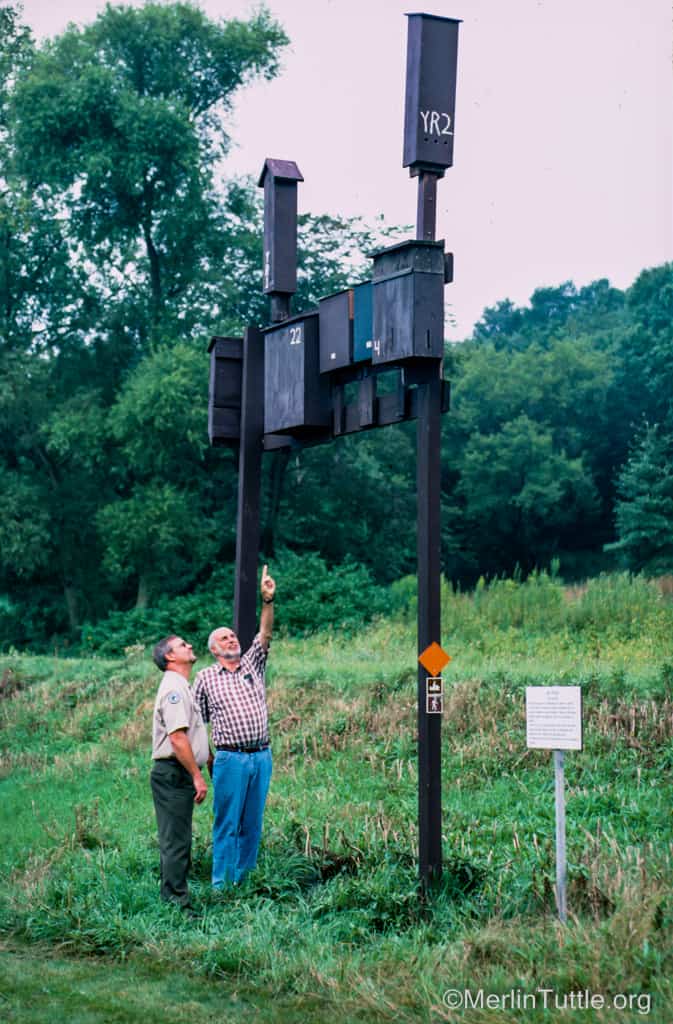
There is encouraging news for little brown myotis (Myotis lucifugus) in Wisconsin. Once the state’s most abundant bat, this species suffered huge losses in recent years due to an introduced fungus that causes an ailment known as white-nose syndrome. Now this species appears to be making a strong recovery, thanks in large part to one […]
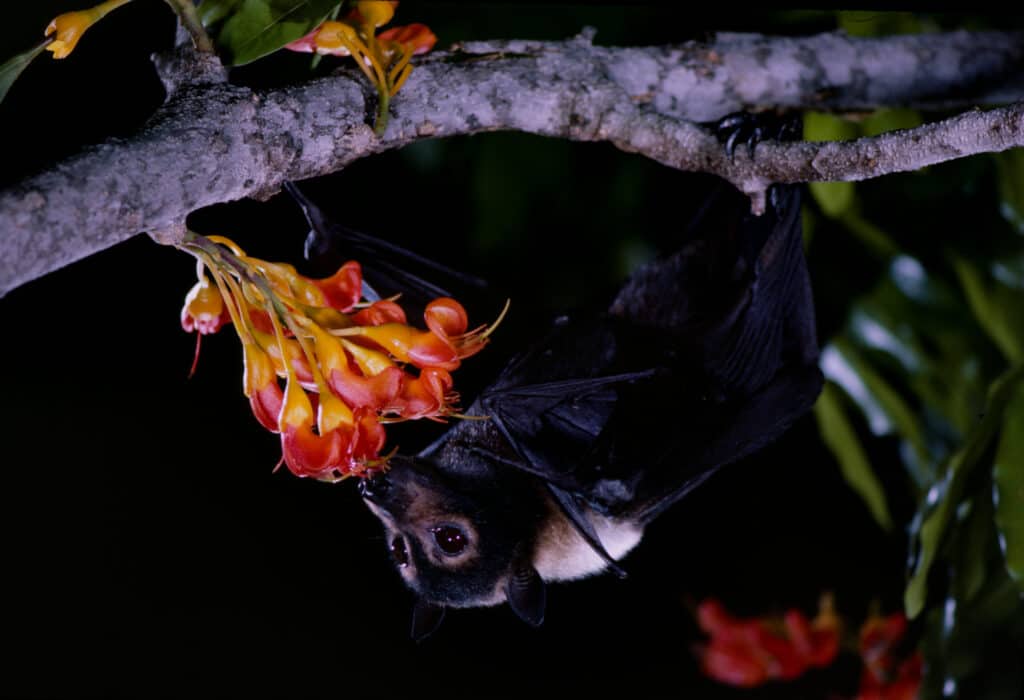
I have long been a believer in the power of good photos for conservation. But they work even better when paired with a passionate, intelligent speaker. That’s why I was delighted to receive the below email from Shera, the Co-Executive Director at PROGRES Sulawesi & Conservation Scientist at the Wildlife Conservation Society Indonesia. Dear Mr. Merlin Tuttle, […]
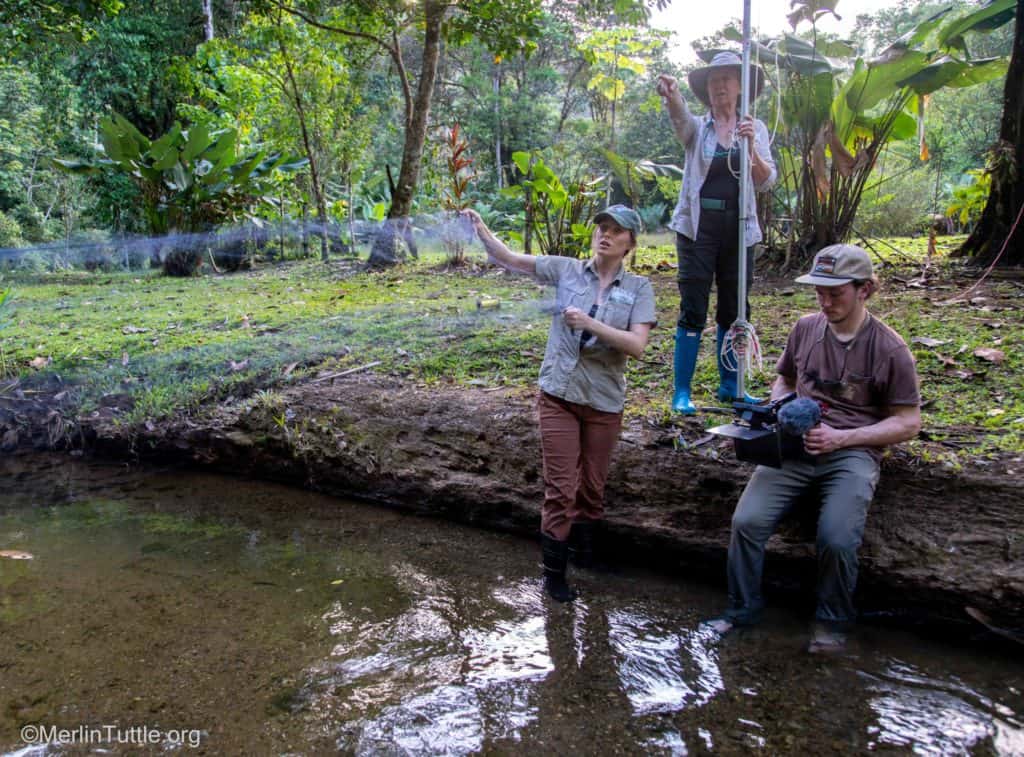
By illustrating scientific discoveries with spectacular photography, we equip others worldwide to overcome fear and inspire appreciation of the key ecosystem roles of bats. Our members have opportunities to contribute, both financially and personally, in making a measurable difference. Recently, Partner Members Mindy Vescovo and Kathy Estes, funded and assisted me, our Workshop Advisory Trustee […]
The series Curious Kids, hosted by The Conversation, is designed to provide expert answers to questions asked by children from around the world. The December 16 edition, “Curious Kids: why do bats pass diseases to humans” is filled with media-driven disinformation that harms both the credibility of science and conservation efforts for bats, while doing […]
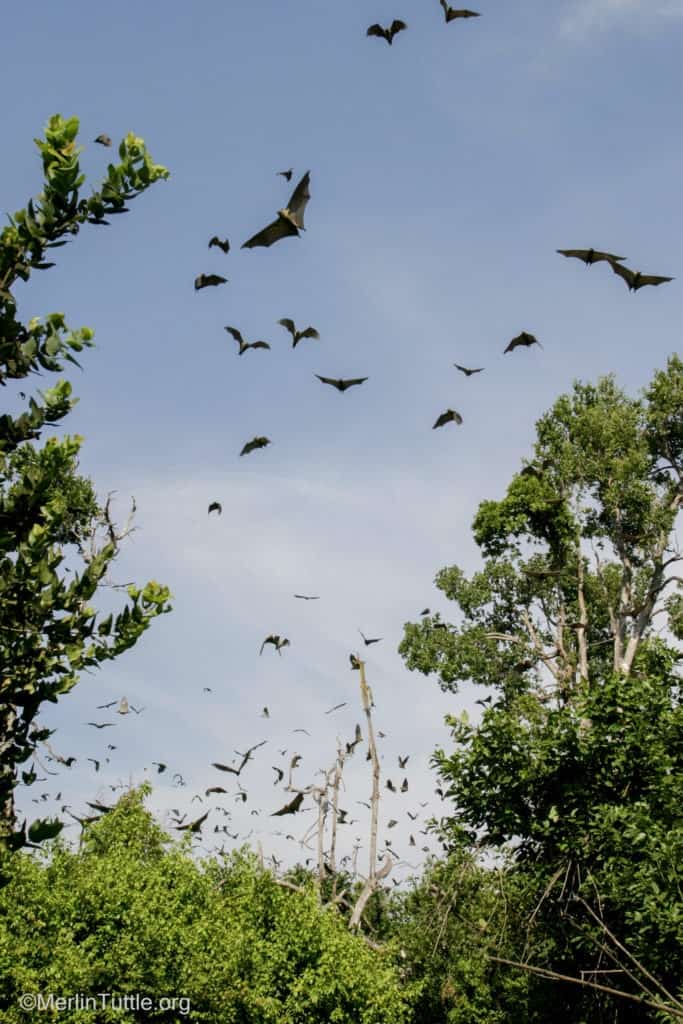
Bats Mistakenly Accused in Search for Ebola Origin For more than a decade, virologists have speculated that Ebola outbreaks would be traced to bats. And sensational media headlines have turned speculation into “fact.” Governments have invested billions of dollars searching for the origin1, mostly focused on bats. Contrary to the evidence, the index case for […]
I had mixed feelings while watching the September 15, 2021 airing of PBS’ NOVA program, Bat Superpowers: Could the source of the deadliest viruses hold the secret to a healthier and longer life? Most of the scientists interviewed clearly liked bats and wanted to aid in their protection. Nevertheless, despite the many positive things reported, for […]
Transmission of viruses from bats to humans is exceedingly rare. For anyone who simply doesn’t handle them or consume unpasteurized palm juice or unwashed fruits the odds of contracting any disease from a bat are extremely remote. The benefits of sharing our neighborhoods with bats far outweigh any risks. Even in the case of Nipah, the […]
